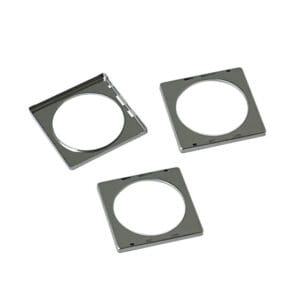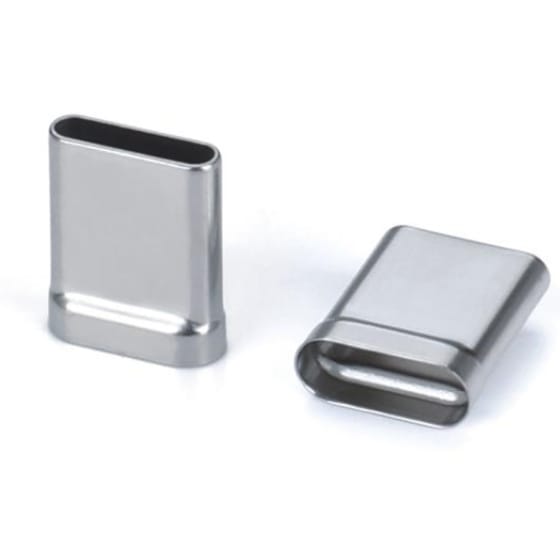

In the realm of manufacturing, particularly in the production of stamping parts, shielded shell stamping parts hold a crucial position. These components are specifically designed to offer protection and support to electronic and mechanical devices. Their primary role is to shield sensitive components from electromagnetic interference (EMI), ensuring optimal performance and reliability. As industries increasingly rely on electronic devices, the demand for effective shielding solutions has surged, making the understanding of shielded shell stamping parts vital for manufacturers.
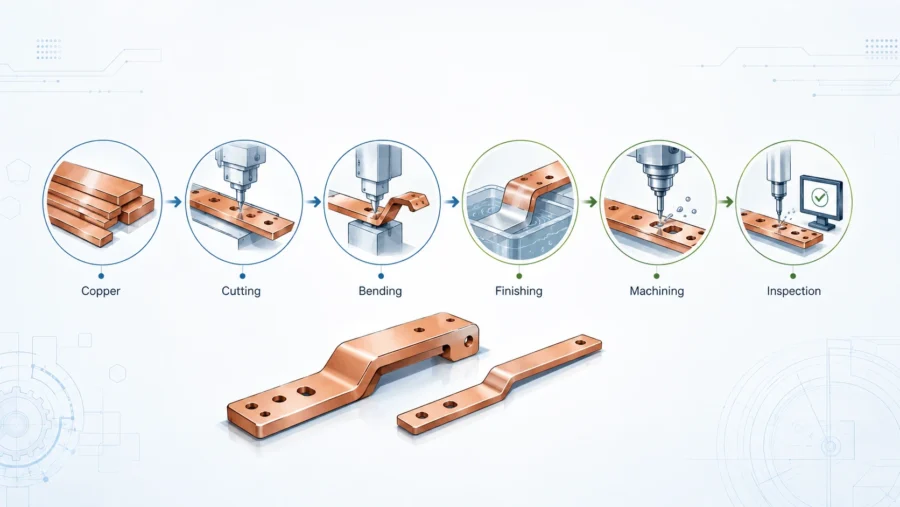
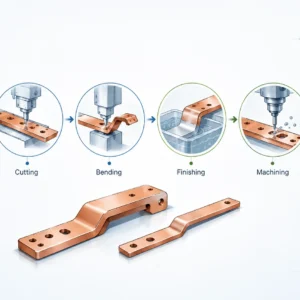
Shielded shell stamping parts are typically crafted from conductive materials like stainless steel, copper, or aluminum, which possess excellent electromagnetic shielding properties. The stamping process involves shaping flat sheets of metal into desired forms, allowing for precise and efficient production. This method not only ensures uniformity in the parts produced but also enhances the overall efficiency of the manufacturing process. The ability to produce complex geometries quickly makes stamping an attractive option for a variety of industries.
One of the main advantages of using shielded shell stamping parts is their ability to mitigate interference from external electromagnetic fields. In applications such as telecommunications, medical devices, and automotive electronics, EMI can significantly affect the performance of electronic components. By employing shielded shell stamping parts, manufacturers can enhance the durability and functionality of their products, leading to greater customer satisfaction and reduced warranty claims.
Moreover, the design of shielded shell stamping parts can be customized to meet specific requirements. Manufacturers can adjust the dimensions, thickness, and layout of these components to fit various applications. This flexibility allows for the production of parts that not only serve their shielding purpose but also integrate seamlessly into the overall design of the machinery or electronic device they are part of.
Another critical aspect to consider is the environmental impact of manufacturing shielded shell stamping parts. As industries become more conscious of their carbon footprint, many manufacturers are exploring sustainable practices. This includes using recycled materials for stamping parts and employing energy-efficient processes. By focusing on the sustainability of production methods, manufacturers can appeal to environmentally conscious consumers and contribute positively to the planet.
In conclusion, shielded shell stamping parts are integral to modern manufacturing, particularly in sectors that depend on electronic reliability. Understanding their importance, applications, and the benefits they provide can empower manufacturers to make informed decisions. As technology continues to evolve, the role of these parts will become even more significant, highlighting the need for ongoing innovation and adaptation within the manufacturing landscape. By prioritizing quality and efficiency in the production of shielded shell stamping parts, manufacturers can ensure they meet the demands of an increasingly complex technological world.