
In the rapidly evolving landscape of manufacturing, companies continually seek methods to enhance efficiency, reduce costs, and improve output quality. One such innovation is the use of aluminum stamped precision sleeves. These components are revolutionizing the way businesses approach production, offering a multitude of benefits that are hard to overlook. This article explores the myriad advantages of aluminum stamped precision sleeves and how they can be effectively integrated into your manufacturing process.
What Are Aluminum Stamped Precision Sleeves?
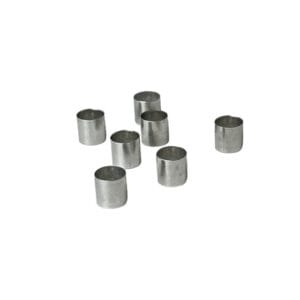
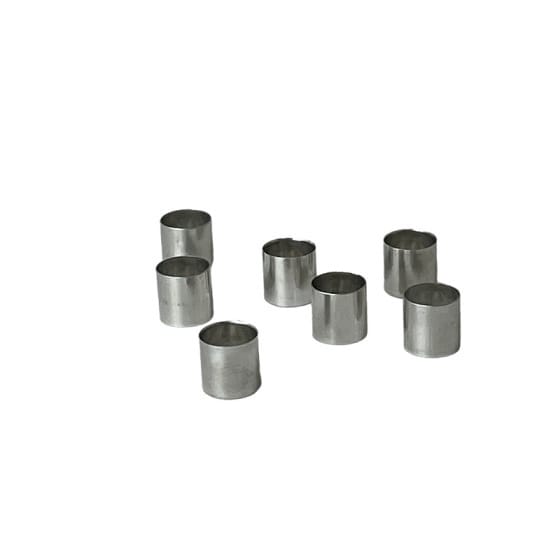
Aluminum stamped precision sleeves are hollow cylindrical components manufactured using a stamping process that precisely shapes aluminum into desired forms. These sleeves are designed to fit over shafts, rods, or other components, providing both a protective layer and a functional interface. The stamping process is highly efficient, allowing for mass production while maintaining tight tolerances and high-quality standards.
Characteristics of Aluminum Stamped Precision Sleeves
Aluminum boasts a unique set of properties that make it an ideal material for precision sleeves:
- Lightweight: Aluminum is significantly lighter than steel, making it suitable for applications where weight savings are critical.
- Corrosion Resistance: Aluminum naturally forms a protective oxide layer, enhancing its resistance to corrosion.
- Thermal Conductivity: Aluminum effectively dissipates heat, making it ideal for applications involving thermal management.
- Easy to Fabricate: The malleability and ductility of aluminum allow for complex shapes to be formed with precision.
Advantages of Using Aluminum Stamped Precision Sleeves
The integration of aluminum stamped precision sleeves into manufacturing processes offers several compelling advantages:
1. Cost-Effectiveness
Utilizing aluminum stamped sleeves can lead to significant cost savings. The efficiency of the stamping process reduces material waste and production time, which in turn lowers overall manufacturing costs. Moreover, the lightweight nature of aluminum can reduce shipping and handling expenses.
2. Enhanced Performance
Aluminum stamped precision sleeves can improve the performance of machinery and equipment. Their precise fit and lightweight properties contribute to smoother operation and reduced wear and tear on components, ultimately extending the lifespan of machinery.
3. Versatile Applications
Aluminum stamped sleeves are suitable for a wide range of applications across various industries, including automotive, aerospace, electronics, and consumer goods. Their adaptability makes them a preferred choice for engineers seeking reliable solutions.
4. Improved Aesthetic Appeal
In addition to functional benefits, aluminum stamped sleeves can also contribute to the visual appeal of products. The clean, polished finish of aluminum enhances the overall design and presentation of the final product.
Applications of Aluminum Stamped Sleeves in Manufacturing
The versatility of aluminum stamped precision sleeves allows them to be employed in numerous applications. Here are some prominent examples:
1. Automotive Industry
In the automotive sector, aluminum stamped sleeves are commonly used in engine components, transmission systems, and suspension parts. Their lightweight nature contributes to fuel efficiency while maintaining structural integrity.
2. Aerospace Engineering
Aluminum’s strength-to-weight ratio makes it ideal for aerospace applications. Stamped sleeves are used in aircraft structures, landing gear systems, and other critical components where weight reduction is paramount.
3. Electronics Manufacturing
In electronics, aluminum stamped sleeves play a vital role in heat sinks and protective casings. Their thermal conductivity helps dissipate heat efficiently, enhancing the performance and longevity of electronic devices.
4. Consumer Products
From kitchen appliances to furniture, aluminum stamped sleeves are increasingly used in consumer goods. Their aesthetic appeal and durability make them a sought-after component in modern product design.
The Manufacturing Process of Aluminum Stamped Sleeves
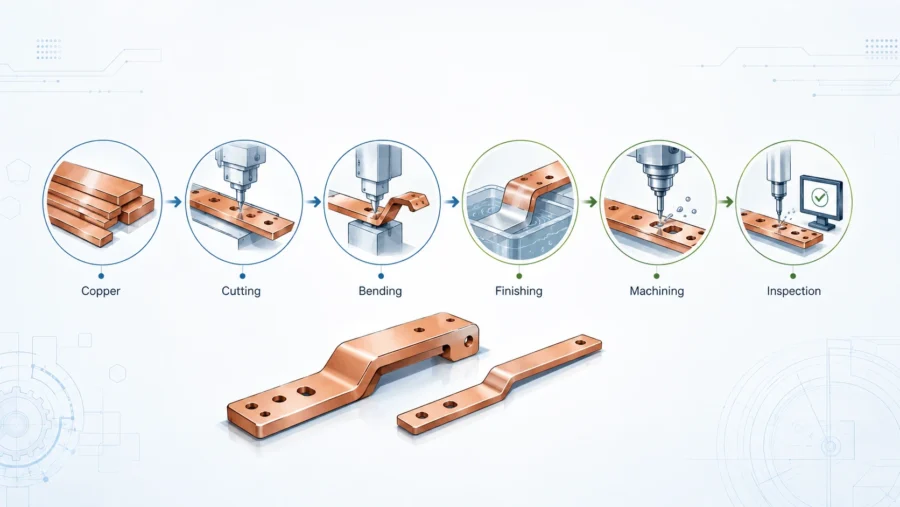
The manufacturing of aluminum stamped precision sleeves involves a series of well-defined steps that ensure quality and precision:
1. Material Selection
The first step is selecting the appropriate grade of aluminum for the specific application. Factors such as strength, corrosion resistance, and weight must be considered to ensure optimal performance.
2. Design and Prototyping
Using CAD software, engineers design the sleeve, creating detailed specifications and tolerances. Prototyping may be conducted to verify design integrity before mass production begins.
3. Stamping Process
The stamping process involves feeding aluminum sheets into a stamping machine, which uses dies to shape the material into the desired form. This process can be performed using various techniques, including progressive stamping, which allows for high-volume production with minimal waste.
4. Finishing Operations
After stamping, the sleeves undergo finishing operations such as deburring, polishing, or anodizing to enhance their appearance and performance. Anodizing, in particular, improves corrosion resistance and provides additional aesthetic options.
Choosing the Right Aluminum for Stamped Sleeves
Selecting the appropriate aluminum alloy is crucial for achieving desired performance outcomes. Here are some common aluminum alloys used in stamped sleeves:
1. 6061 Aluminum
6061 aluminum is widely used due to its excellent mechanical properties and corrosion resistance. It is a versatile alloy suitable for various applications, including structural components.
2. 5052 Aluminum
5052 aluminum is known for its outstanding workability and resistance to marine environments. It is often used in applications requiring high corrosion resistance.
3. 7075 Aluminum
7075 aluminum is a high-strength alloy commonly used in aerospace applications. Its superior strength-to-weight ratio makes it ideal for critical components requiring both durability and lightweight properties.
Quality Control in Aluminum Stamped Sleeves Production
Ensuring quality throughout the manufacturing process is vital for producing high-performing aluminum stamped sleeves. Key quality control measures include:
1. Material Inspection
Raw aluminum materials are inspected for defects, ensuring they meet specified standards before entering the production line.
2. In-Process Monitoring
During the stamping process, regular checks are conducted to ensure that dimensions and tolerances are maintained. Any deviations are promptly addressed to prevent defects.
3. Final Testing
Once production is complete, finished sleeves undergo rigorous testing to evaluate their mechanical properties, corrosion resistance, and overall performance. This final inspection guarantees that only high-quality products reach the market.
The Future of Aluminum Stamped Sleeves in Manufacturing
The future of aluminum stamped precision sleeves looks promising, driven by advancements in technology and shifting market demands:
1. Increased Automation
Manufacturers are increasingly adopting automation technologies to streamline production processes. Automated stamping machines can enhance precision and efficiency while reducing labor costs.
2. Eco-Friendly Practices
With a growing emphasis on sustainability, the aluminum industry is focusing on recycling and reducing carbon footprints. Using recycled aluminum for stamping will become more prevalent, aligning with global sustainability goals.
3. Customization and Innovation
As product customization becomes more important, manufacturers are exploring innovative designs and applications for aluminum stamped sleeves. This trend will drive the development of more complex geometries and specialized features to meet specific customer needs.
Frequently Asked Questions
1. What are the benefits of using aluminum stamped precision sleeves over other materials?
Aluminum offers a unique combination of lightweight properties, corrosion resistance, and excellent thermal conductivity, making it superior for various applications compared to traditional materials like steel.
2. How do I choose the right aluminum alloy for my application?
Consider factors such as strength requirements, corrosion resistance, and environmental conditions. Consulting with a materials engineer can also provide insights tailored to your specific needs.
3. Are aluminum stamped sleeves cost-effective for large-scale production?
Yes, the stamping process allows for efficient mass production, which reduces costs associated with material waste and labor, making aluminum stamped sleeves a cost-effective option for large-scale manufacturing.
4. Can aluminum stamped sleeves be recycled?
Absolutely! Aluminum is highly recyclable, and utilizing recycled aluminum for manufacturing can significantly reduce environmental impact while conserving resources.
5. What industries benefit the most from aluminum stamped precision sleeves?
Industries such as automotive, aerospace, electronics, and consumer goods extensively utilize aluminum stamped sleeves due to their versatile applications and performance advantages.
Conclusion
Aluminum stamped precision sleeves offer numerous benefits that can significantly enhance manufacturing processes across various industries. Their lightweight nature, cost efficiency, and versatility make them a valuable component in modern production. As we look to the future, advancements in technology and an increasing emphasis on sustainability will further solidify the role of aluminum stamped sleeves in manufacturing. Embracing these innovations can help businesses improve performance, reduce costs, and stay ahead in a competitive market.