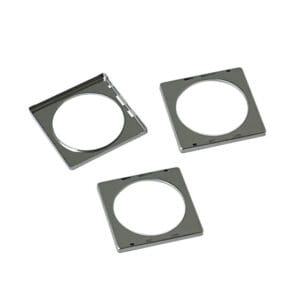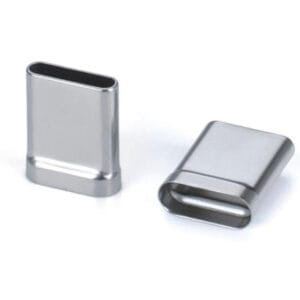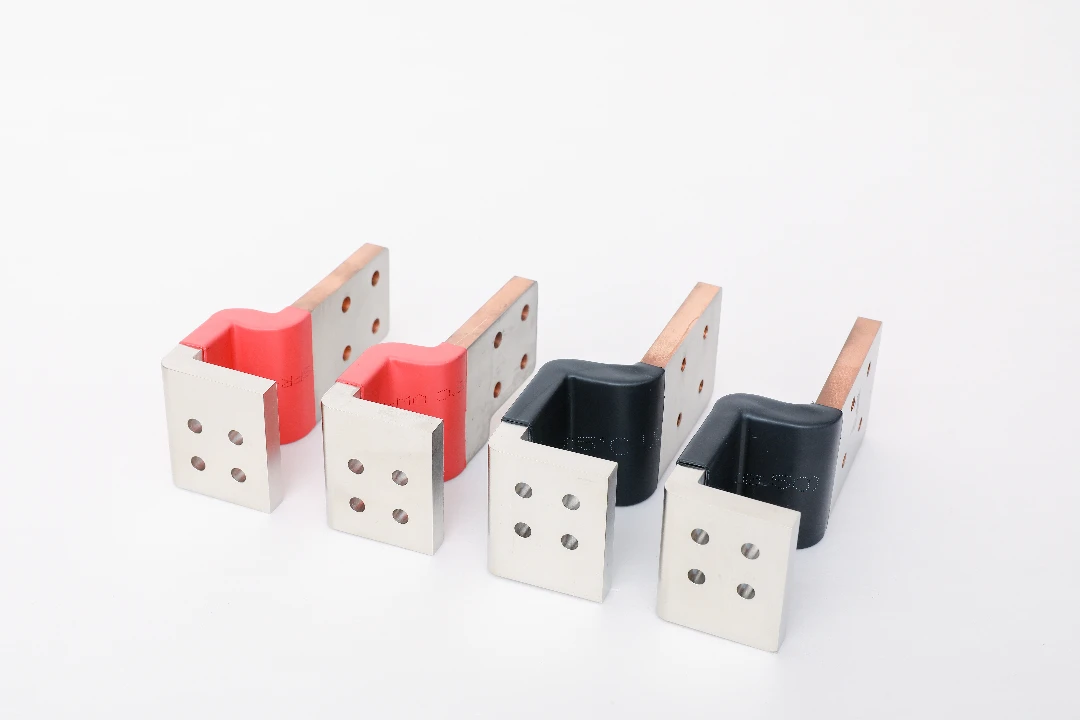

In the rapidly evolving landscape of industrial power distribution, the decisions made at the design stage dictate the efficiency, safety, and longevity of the final system. Whether you are engineering a next-generation Electric Vehicle (EV) battery pack, designing a hyperscale data center, or configuring a high-voltage industrial switchgear, the fundamental question remains the same: How do we move power from Point A to Point B most effectively?
For decades, the debate between Copper Busbars and traditional Power Cabling has been a central topic for electrical engineers. However, as power densities rise and space constraints tighten, the scales are increasingly tipping. At JUMAI TECH, we have spent years specializing in Precision Copper Busbars, Deep-Drawn Components, and Precision Stamping Dies. We have seen firsthand how switching from cable to rigid or flexible busbar systems can revolutionize a product’s performance.
This comprehensive guide will dissect the technical, thermal, and economic differences between copper busbars and cables. We will explore the physics behind power transmission, analyze total cost of ownership, and demonstrate why precision-engineered copper busbars are often the superior choice for modern high-power applications.
Table of Contents
The Fundamental Differences in Power Transmission Architecture
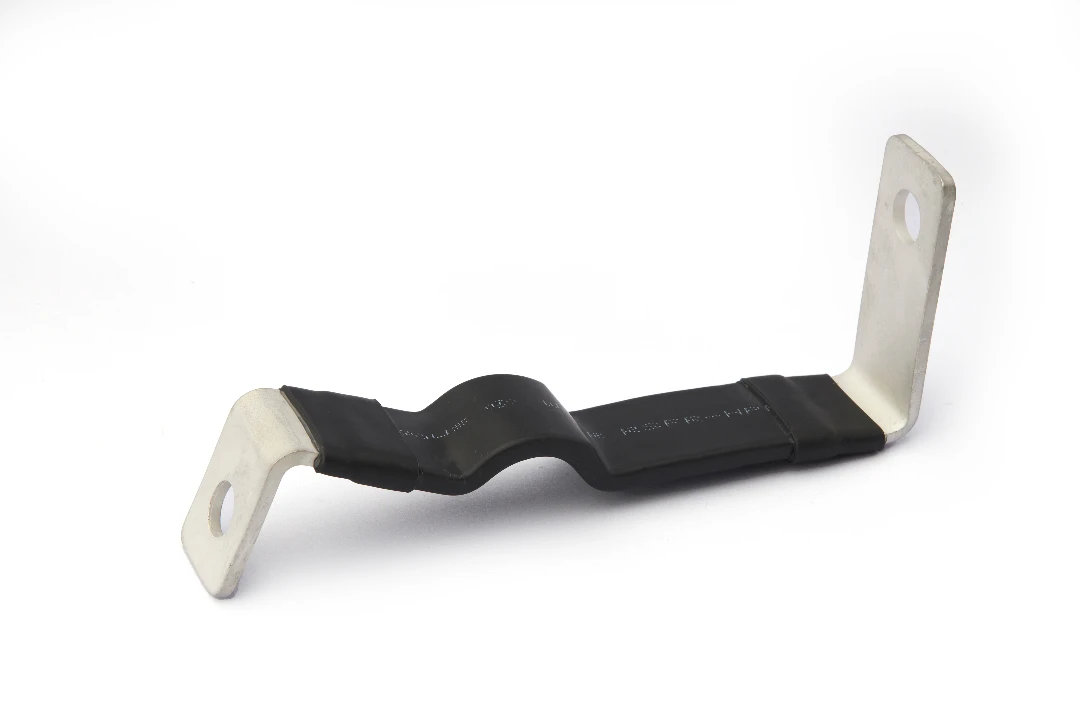
To make an informed decision, we must first strip away the marketing jargon and look at the fundamental engineering differences between these two conductors. While both serve the purpose of conducting electricity, their physical behaviors under load are drastically different.
Defining the Competitors: Structure and Composition
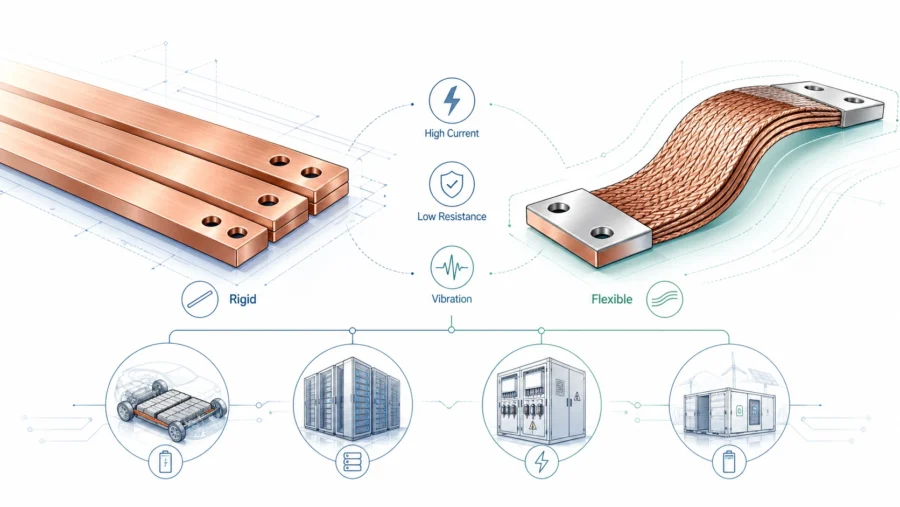
A traditional power cable consists of a central conductor (stranded or solid) wrapped in layers of insulation and protective jacketing. Cables are designed for flexibility and routing through arbitrary spaces. They are ubiquitous and easy to source, making them the default choice for general-purpose wiring.
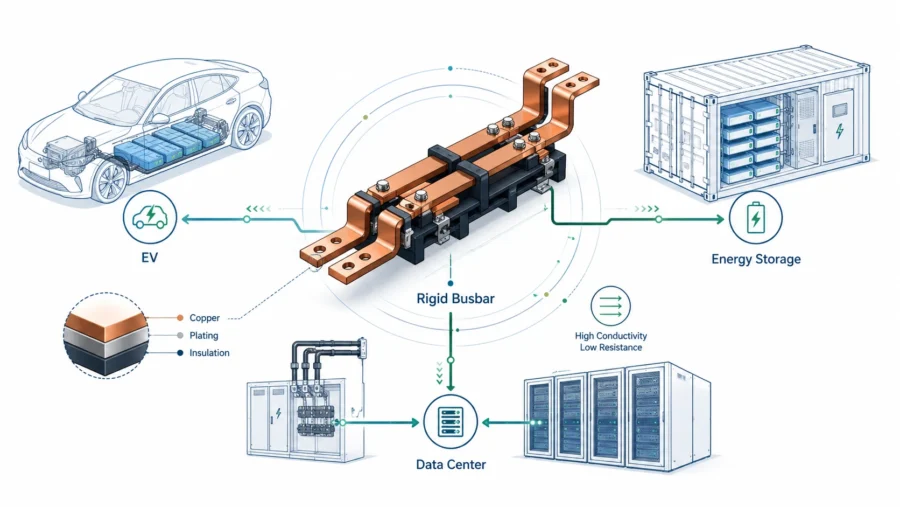
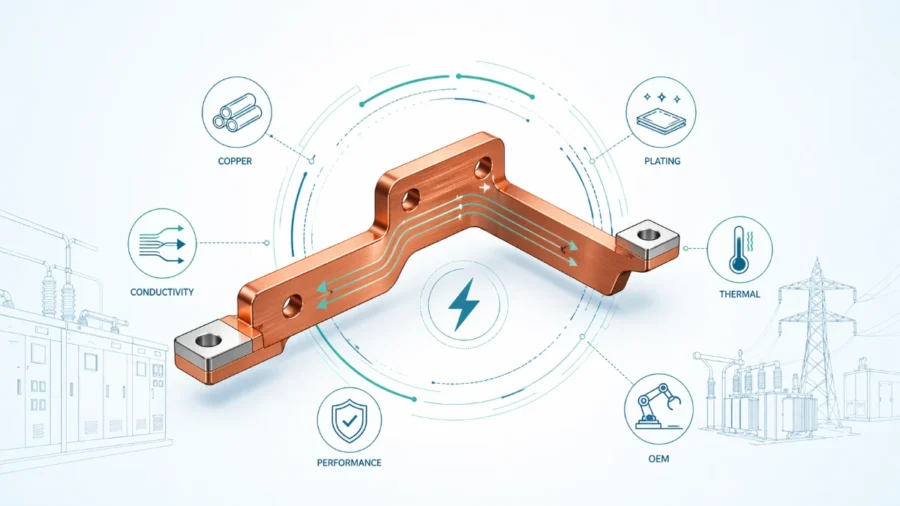
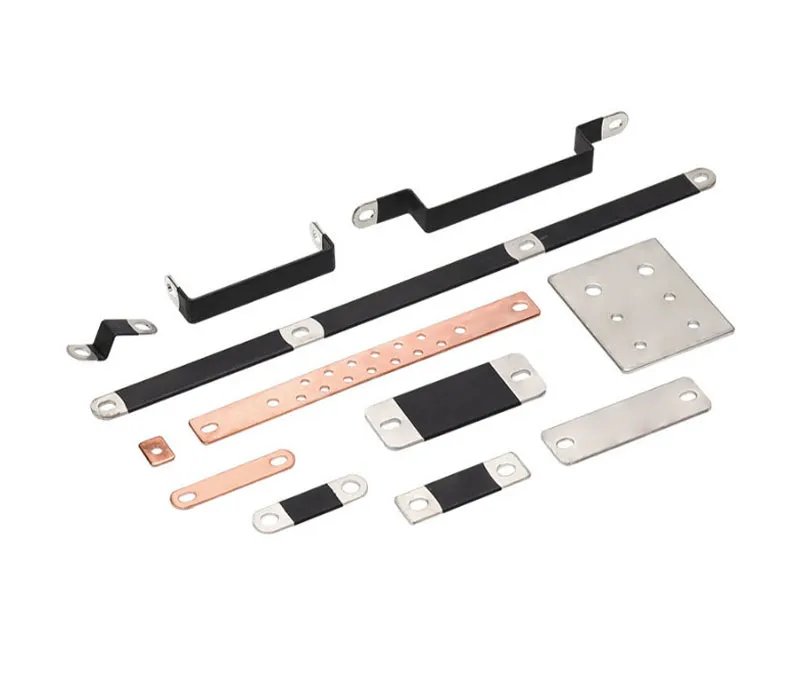
In contrast, a Copper Busbar is a rigid or semi-rigid strip or bar of solid metal, typically composed of high-purity Electrolytic Tough Pitch (ETP) copper (such as C11000). Busbars are engineered components. They are stamped, bent, and machined to precise tolerances to fit a specific enclosure. At JUMAI TECH, our deep-drawn and stamping capabilities allow us to create complex, multi-planar busbar shapes that cables simply cannot replicate.
Material Efficiency and Current Density
One of the most immediate advantages of a busbar is the efficient use of cross-sectional area. Cables, particularly stranded ones, have inherent air gaps between the strands. This “packing factor” means that a cable requires a larger total diameter to achieve the same conductive copper cross-section as a solid bar.
Busbars utilize 100% of their cross-sectional area for conduction. This results in a higher current density capability. For a defined amount of copper, a rectangular busbar will almost always carry more current than a round cable of equivalent weight, primarily due to thermal advantages which we will discuss in later sections.
Thermal Performance: The Heat Dissipation Advantage
Heat is the enemy of all electrical systems. As resistance generates heat (Joule heating), the conductor’s ability to shed that heat determines its “ampacity” (current-carrying capacity). This is where the geometric difference between flat busbars and round cables becomes a critical engineering factor.
Surface Area and Convection
The physics of heat transfer favors the busbar. A flat, rectangular copper busbar has a significantly higher surface-area-to-cross-section ratio than a round cable. Since heat dissipation via convection and radiation is a function of surface area, busbars cool much more efficiently.
For example, consider a round cable with a cross-section of 100mm². It has a relatively small perimeter exposed to the air. A busbar with the same 100mm² cross-section (perhaps 5mm x 20mm) has a much larger perimeter. This allows the busbar to run cooler for the same current load, or conversely, carry a higher current load for the same temperature rise. According to data from the Copper Development Association, rectangular busbars can often reduce the conductor weight required by up to 20% compared to cable for the same temperature rise limits.
The Impact of Insulation
Cables are heavily insulated, and standard cable insulation acts as a thermal blanket, trapping heat inside the conductor. To compensate, engineers must “derate” cables, essentially oversizing them to prevent the insulation from melting.
Busbars, however, can be insulated with thin, high-performance coatings such as epoxy powder coating or heat-shrink tubing that offer high dielectric strength without significant thermal insulation. Furthermore, uninsulated busbars (used where safety clearance allows) offer the absolute maximum cooling efficiency. At JUMAI TECH, we offer various surface treatments, including tin and silver plating, to further enhance contact reliability and thermal performance.
Electrical Characteristics: AC vs. DC Applications

While DC (Direct Current) behavior is straightforward—determined largely by resistance—AC (Alternating Current) introduces complex phenomena where the geometry of the conductor plays a massive role.
The Skin Effect
In AC applications, current tends to flow along the outer surface of the conductor rather than through the center. This is known as the “Skin Effect.” As the frequency increases, the effective cross-sectional area of the conductor decreases, increasing the AC resistance.
Round cables suffer significantly from the skin effect because a large portion of their copper (the center) becomes dead weight at high frequencies. Flat copper busbars, with their wide surface areas and thin profiles, mitigate the skin effect. The current has more “surface” to travel along, maintaining higher efficiency. This makes busbars exceptionally well-suited for switchgear and power conversion applications where AC is prevalent.
Inductance and Impedance
Parasitic inductance is a major concern in modern power electronics, such as IGBT inverters in Electric Vehicles. High inductance causes voltage spikes during switching, potentially damaging components.
Laminated busbars (a specialty at JUMAI TECH) are engineered to minimize inductance. By stacking positive and negative plates with a thin dielectric in between, the magnetic fields cancel each other out. This results in ultra-low inductance that discrete cabling cannot achieve. A study by IEEE Xplore on power inverters highlights that laminated busbar structures are essential for maximizing the efficiency of wide-bandgap semiconductors (SiC and GaN).
Engineering Design and Space Optimization
In industries like automotive manufacturing and aerospace, every millimeter of space is accounted for. The “packaging” of power distribution systems is often the bottleneck in design.
The “Spaghetti Wiring” Problem vs. Clean Architecture
High-power cabling systems often result in what engineers call “spaghetti wiring.” Large cables have strict minimum bend radii (often 4x to 8x the cable diameter) to prevent damage to the insulation or conductor. This makes routing cables in tight corners difficult and creates chaotic, hard-to-trace internal volumes.
Busbars can be bent at sharp 90-degree angles (using precision stamping dies) without compromising their integrity. This allows them to hug the walls of an enclosure, follow the contours of a battery pack, or stack neatly. This “3D routing” capability frees up internal volume for airflow or other components, resulting in a smaller overall device footprint.
Comparison Table: Busbar vs. Cable Physical Characteristics
| Feature | Copper Busbar | Power Cable |
| Bend Radius | Tight, precise bends (down to 1x thickness) | Large radius required (4x-8x diameter) |
| Cross-Section Efficiency | High (Solid metal) | Lower (Air gaps between strands) |
| Heat Dissipation | Excellent (High surface area) | Poor (Insulation traps heat) |
| Routing | Rigid, predictable, repeatable | Flexible but chaotic, variable |
| Termination | Bolted, Welded, or Clamped | Crimped lugs (prone to failure points) |
Reliability and Mechanical Integrity
When a system is subjected to vibration, thermal cycling, or short-circuit faults, the mechanical strength of the conductor becomes a safety-critical factor.
Short-Circuit Strength
During a short circuit, massive electromagnetic forces are generated that try to whip conductors apart. Cables, being flexible, can thrash violently, damaging insulation or nearby components. They require extensive bracing and cable tying to withstand these faults.
Rigid copper busbars are mechanically robust. When properly supported by insulators, they can withstand immense short-circuit forces without deforming. This rigidity ensures that electrical clearances are maintained even under catastrophic fault conditions, preventing arc flashes.
Connection Reliability
The failure point of most electrical systems is the connection, not the conductor itself. Cable terminations typically involve stripping insulation and crimping a lug. If the crimp is under-compressed, it creates a hot spot; if over-compressed, it weakens the strands.
Busbar connections are typically bolted or welded. A bolted joint, when torqued correctly with appropriate washers, provides a gas-tight, high-pressure contact area that is extremely reliable over time. Furthermore, at JUMAI TECH, we can integrate fasteners directly into the busbar during the stamping process or utilize our deep-drawn components to create seamless connection points, eliminating the need for separate lugs entirely.
Cost Analysis: Looking Beyond the Price per Kilogram
Procurement managers often look at the raw price of copper wire versus copper sheet and assume cable is cheaper. However, a holistic Total Cost of Ownership (TCO) analysis frequently favors busbars.
Installation Time and Labor
Installing high-amperage cables is physically demanding work. It involves wrestling stiff cables into place, stripping large gauge insulation, and operating heavy hydraulic crimpers. It is manual, slow, and prone to human error.
Busbars, conversely, are prefabricated components. They arrive at the assembly line ready to install. An operator simply places the busbar and tightens the bolts. There is no cutting, stripping, or crimping required on the line. This leads to drastic reductions in assembly time—often reducing labor costs by up to 50% for complex switchgear assemblies.
Material Waste and Supply Chain
When using cable, there is inevitable waste—off-cuts from trimming to length. With precision stamping and deep drawing, JUMAI TECH optimizes material usage through nesting software, minimizing scrap. Additionally, because busbars run cooler, you can often use a smaller cross-section of copper to carry the same current as a larger cable, leading to raw material cost savings.
JUMAI TECH: Your Partner in Precision Power Solutions
Understanding the superiority of busbars is step one. Choosing the right partner to manufacture them is step two. At DeepDrawTech.com, we are not just a metal shop; we are power distribution specialists.
Our Core Capabilities
We leverage decades of experience in Precision Stamping Dies to create busbars with complex geometries that others cannot achieve. Our capabilities include:
- Custom Bending and Forming: We utilize CNC bending and progressive die stamping to create 3D busbar shapes with tolerances measured in microns.
- Deep-Drawn Components: Beyond simple flat bars, we can deep-draw cups, shields, and connectors directly from the copper substrate, integrating structural and electrical functions.
- Advanced Insulation: We offer epoxy coating, dipping, and sleeving services to provide insulation that meets high-voltage breakdown requirements without adding bulk.
- Plating Services: To prevent oxidation and ensure low contact resistance, we offer tin, nickel, and silver plating.
From Prototype to Mass Production
Whether you need a single prototype for a new EV battery module or thousands of units for a solar inverter rollout, our production lines are scalable. We assist global clients in redesigning their power distribution from cable-based systems to highly efficient busbar architectures.
Conclusion: The Future is Rigid
The era of relying solely on heavy, inefficient cables for high-power distribution is fading. As industries demand higher efficiency, smaller footprints, and greater reliability, the Copper Busbar stands out as the superior power path.
While cables will always have their place for low-power flexibility, the physics are clear: for high-current, precision applications, busbars offer better thermal management, lower inductance, and superior mechanical integrity.
At JUMAI TECH, we are ready to help you make the switch. Our expertise in Precision Copper Busbars and Deep-Drawn Components ensures that your power distribution system is not just a component, but a competitive advantage.
Ready to optimize your power distribution? Contact JUMAI TECH today to discuss your project with our engineering team and discover how our precision busbar solutions can elevate your product’s performance.
FAQ
What are the main physical differences between copper busbars and power cables?
A power cable consists of a central conductor (stranded or solid) wrapped in thick insulation and a protective jacket, designed for flexible routing. In contrast, a copper busbar is a rigid or semi-rigid strip of solid metal (usually high-purity electrolytic copper). Unlike cables, busbars are engineered components that can be precision-stamped and bent into complex shapes to fit specific enclosures, utilizing 100% of their cross-sectional area for conduction.
Why do copper busbars have better thermal performance than cables?
Busbars have a higher surface-area-to-cross-section ratio compared to round cables, which allows for more efficient heat dissipation through convection and radiation. Additionally, while cable insulation often acts as a “thermal blanket” that traps heat, busbars can be used uninsulated or with thin, high-performance coatings that provide electrical insulation without significantly hindering cooling. This allows busbars to carry higher current loads with less temperature rise.
How do busbars perform differently in AC applications compared to cables?
In AC applications, the “Skin Effect” causes current to flow primarily on the outer surface of a conductor. Flat copper busbars, with their wide surface areas and thin profiles, mitigate this effect more effectively than round cables, where the center of the cable can become “dead weight.” Furthermore, engineered solutions like laminated busbars can significantly reduce parasitic inductance, which is critical for preventing voltage spikes in modern power electronics like EV inverters.
Are copper busbars more space-efficient than cabling?
Yes. High-power cables have strict minimum bend radii (often 4 to 8 times the cable diameter) to prevent damage, resulting in “spaghetti wiring” that consumes significant volume. Busbars can be bent at sharp 90-degree angles using precision stamping, allowing them to hug the walls of an enclosure or follow the contours of a battery pack. This “3D routing” capability optimizes internal space and improves airflow within the device.
Why might busbars be more cost-effective despite a higher material cost?
While the raw price per kilogram may differ, the Total Cost of Ownership (TCO) often favors busbars due to:
Reduced Labor Costs: Busbars are prefabricated and ready for quick assembly, whereas cables require manual cutting, stripping, and crimping.
Material Efficiency: Because busbars run cooler, you can often use a smaller cross-section of copper to carry the same current as a larger cable.
Minimized Waste: Precision stamping optimizes material use and reduces scrap compared with offcuts generated during cable installation.