
The electric vehicle (EV) revolution is fundamentally rewriting the rules of automotive engineering. As global automotive manufacturers push the boundaries of range, charging speeds, and power output, the internal architectures of EV battery packs are being subjected to unprecedented electrical and thermal stresses. In my years of designing power distribution architectures for hyperscale data centers, megawatt-level wind farms, and advanced environmental energy storage systems, one engineering truth has remained absolute: managing heat is the ultimate bottleneck to efficiency and safety.
In the high-stakes, compact environment of an electric vehicle, this responsibility falls heavily on the physical connections bridging the battery cells, modules, and the power inverter. At the heart of this critical infrastructure are Precision Copper Busbars.
Whether we are discussing rigid (hard) busbars, flexible (soft) busbars, or highly adaptable braided copper busbars, these components are no longer just simple conductive pathways. They are highly engineered, highly customized thermal and electrical arteries. At JUMAI (Deep Draw Tech), we have leveraged decades of experience in deep drawing dies, custom OEM processing, and non-ferrous metal manufacturing to engineer copper busbars that meet the microscopic tolerances demanded by modern EV thermal management systems.
This comprehensive guide will explore the physics, material science, and manufacturing engineering that make Precision Copper Busbars the unsung heroes of EV battery thermal management, and why selecting a specialized manufacturer for custom processing is a critical business decision for automotive OEMs.
The Unseen Bottleneck: Thermal Dynamics in High-Voltage EV Architectures
To understand the critical nature of Precision Copper Busbars, we must first understand the thermal challenges inherent in modern EV batteries. The transition from 400V to 800V (and soon 1000V+) architectures, designed to facilitate ultra-fast charging and higher drivetrain efficiency, dramatically increases the current density within the battery pack.
According to research published by the National Renewable Energy Laboratory (NREL), the heat generated within a battery cell during rapid charging or aggressive discharging can lead to localized “hot spots.” If this heat is not rapidly dissipated, it can degrade cell chemistry, reduce the overall lifespan of the battery pack, and in worst-case scenarios, trigger a catastrophic event known as thermal runaway.
Heat in electrical systems is primarily generated by resistance, governed by Joule heating, represented by the formula P = I^2R (where P is power/heat generated, I is current, and R is resistance). Even a fraction of a milliohm of excess resistance at a connection point can generate significant heat when subjected to the hundreds of amps flowing through an EV drivetrain.
This is where Precision Copper Busbars step in. They serve a dual purpose:
- Electrical Conduction: Carrying massive electrical loads with near-zero resistance.
- Thermal Conduction: Acting as thermal bridges that wick heat away from sensitive battery terminals and transfer it to the vehicle’s active liquid cooling systems.
What Defines “Precision” in Copper Busbars?
It is a common misconception that a busbar is simply a stamped piece of metal. In the context of modern energy storage and EV technology, a busbar is a precision-engineered component. The term “precision” encompasses several critical manufacturing metrics:
- Microscopic Dimensional Tolerances: EV battery modules are densely packed. A dimensional deviation of even 0.1mm can cause mechanical stress on the battery cell terminals, leading to micro-fractures, increased contact resistance, and eventual failure.
- Surface Flatness and Contact Area: The electrical and thermal efficiency of a busbar connection is dictated by its contact surface. Microscopic surface roughness traps air (an excellent thermal insulator), increasing contact resistance. Precision milling, deep drawing, and stamping ensure maximum surface-to-surface contact.
- Material Purity: The use of Oxygen-Free High Thermal Conductivity (OFHC) copper, typically 99.99% pure, is mandatory. Impurities act as microscopic roadblocks to both electrons and phonons (heat energy).
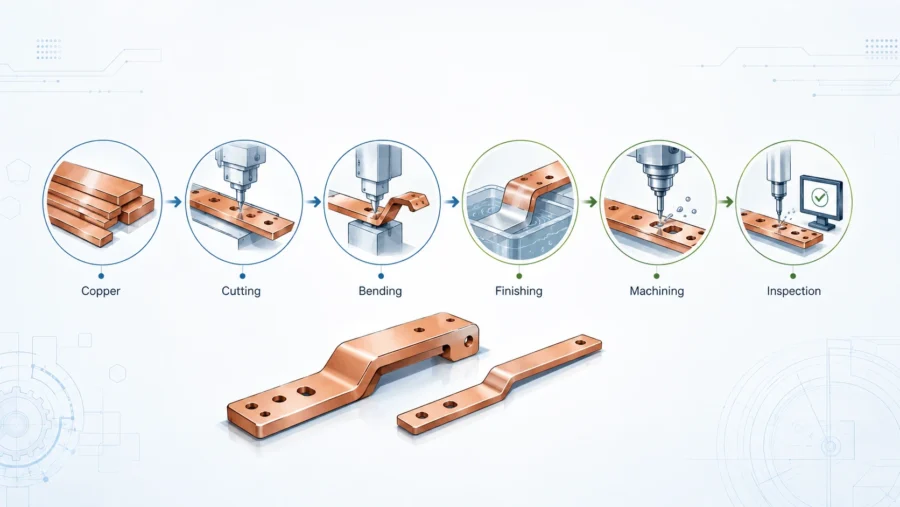
- Custom Geometric Configurations: Modern battery packs are rarely simple boxes. Busbars must navigate complex 3D spaces, requiring custom bending, deep-drawn terminal integration, and precisely engineered routing—all of which are core competencies at JUMAI.
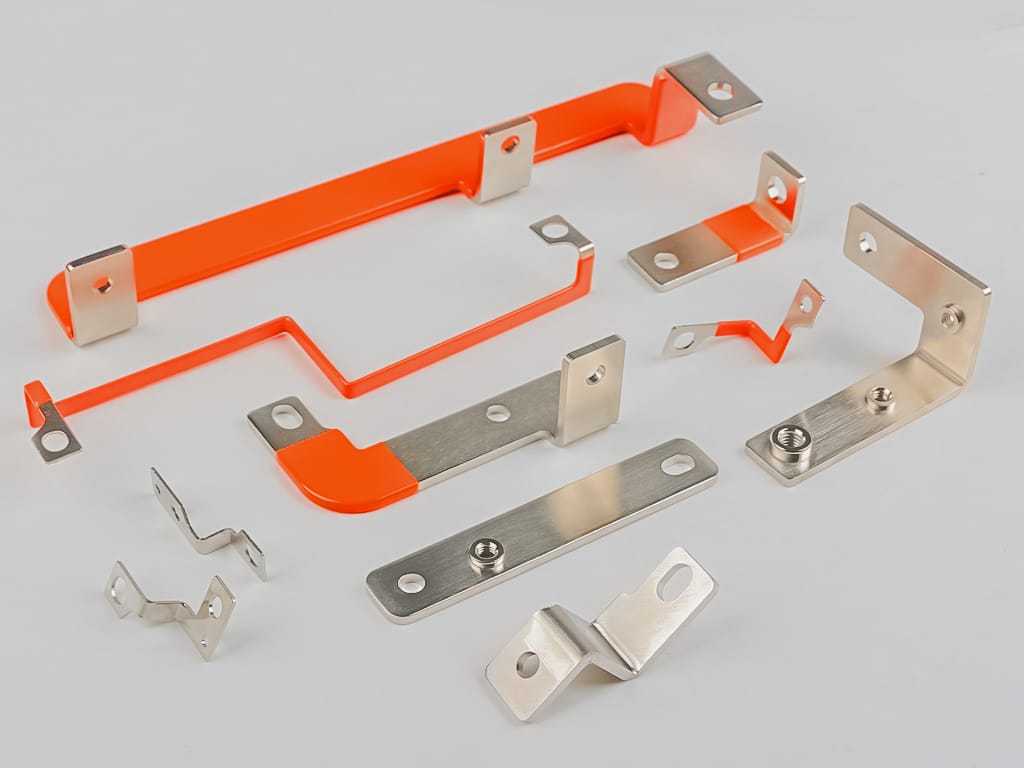
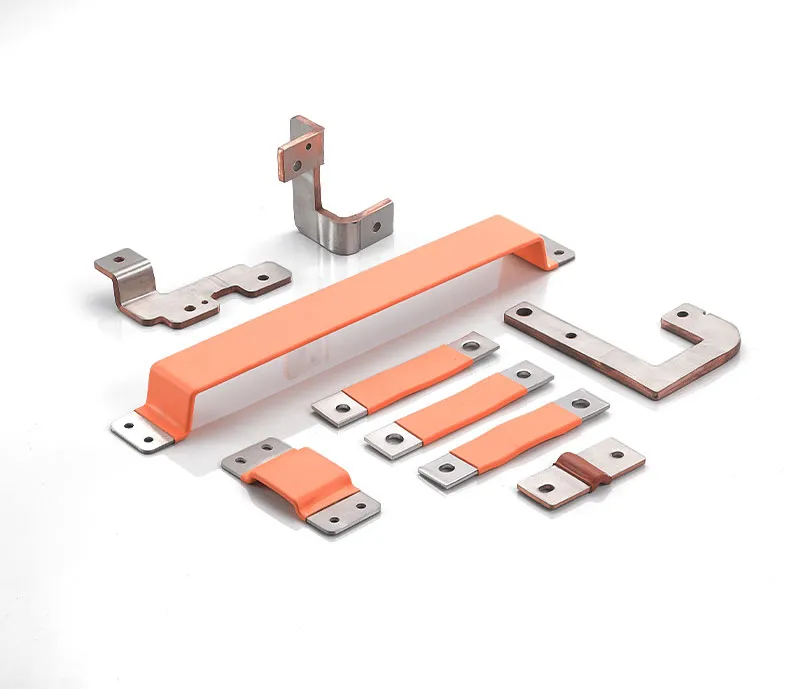
The JUMAI Product Spectrum: Hard, Soft, and Braided Copper Busbars
Not all connections within an EV battery are the same. The dynamic environment of a moving vehicle requires a hybrid approach to power distribution.
1. Hard (Rigid) Copper Busbars
Used for long, straight runs where structural integrity is required. These are often utilized to connect massive battery module clusters to the main high-voltage contactors. Because of their rigidity, they must be manufactured to exact specifications using advanced CNC punching and bending to avoid placing mechanical strain on the battery housing.
2. Soft (Flexible) Laminated Copper Busbars
Thermal expansion is a silent killer in electrical engineering. As the battery pack heats up and cools down, the components expand and contract at different rates. Rigid connections can snap or loosen under this thermal cycling. Flexible busbars, made from layers of ultra-thin copper foil molecularly welded at the ends, provide the necessary “give” to absorb this thermal expansion while maintaining maximum electrical ampacity.
3. Braided Copper Busbars
Electric vehicles are subjected to continuous low-frequency and high-frequency vibrations from the road and the electric motors. Braided copper busbars consist of thousands of individual, hair-thin copper wires woven together. They offer the ultimate flexibility and vibration dampening. In my experience designing connections for massive data center backup generators—which vibrate violently—braided busbars are the only solution that guarantees long-term connection integrity without fatigue failure. In EVs, they are vital for bridging modules that may experience independent motion.
Material Science: Why Copper Remains King
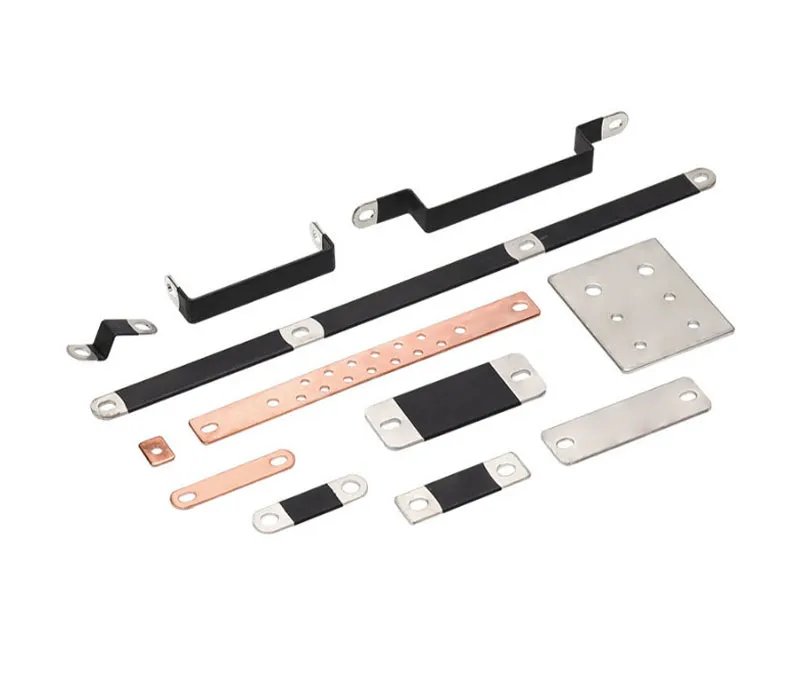
As automotive OEMs aggressively look to reduce the weight of electric vehicles, aluminum often enters the conversation as an alternative to copper due to its lower density. However, when it comes to the critical connections within the battery pack, Precision Copper Busbars remain the indisputable standard.
To illustrate why, we must look at the empirical data comparing these non-ferrous metals.
Table 1: Comparative Analysis of Busbar Conductor Materials
| Material Property | Pure Copper (Cu – C11000) | Pure Aluminum (Al – 1350) | Impact on EV Battery Architecture |
|---|---|---|---|
| Electrical Conductivity (IACS) | 100% | 61% | Copper requires a significantly smaller cross-sectional area to carry the same current, saving critical space inside the battery pack. |
| Thermal Conductivity (W/m·K) | ~390 | ~235 | Copper wicks heat away from battery cell terminals nearly 60% faster than aluminum, actively preventing thermal hot spots. |
| Tensile Strength (MPa) | ~210 – 380 | ~60 – 110 | Copper is significantly stronger, resisting mechanical deformation under high clamping forces and prolonged vibration. |
| Galvanic Corrosion Resistance | High | Moderate (Prone to oxidation) | Aluminum rapidly forms a highly resistive oxide layer when exposed to air, causing connection failures. Copper’s oxide layer is less resistive and easier to mitigate via plating. |
| Creep (Cold Flow) | Very Low | High | Aluminum deforms under continuous mechanical pressure (like a bolted joint), leading to loose connections and fire hazards over time. Copper maintains structural integrity. |
While aluminum is lighter and cheaper, the space constraints inside an EV battery pack heavily penalize aluminum’s lower conductivity. To match the ampacity of a precision copper busbar, an aluminum busbar must be roughly 60% larger in volume. Furthermore, aluminum’s tendency to “cold flow” (relaxing under pressure) makes it dangerously unreliable for the high-torque bolted connections required in EV battery modules.
The superior thermal conductivity of copper is perhaps its most vital attribute. Research from the Institute of Electrical and Electronics Engineers (IEEE) consistently demonstrates that copper busbars actively contribute to passive cooling systems by acting as highly efficient heat sinks, drawing thermal energy away from the delicate cell tabs faster than any viable alternative.
The Role of Advanced Deep Drawing in Busbar Integration
One of the unique advantages that we offer at JUMAI (Deep Draw Tech) is the integration of deep drawing metal stamping processes with busbar manufacturing.
Deep drawing is a metal forming process in which a flat sheet metal blank is radially drawn into a forming die by the mechanical action of a punch. How does this relate to Precision Copper Busbars?
Traditional busbar assemblies often rely on bolting, welding, or riveting multiple pieces of metal together to create complex shapes or terminal connections. Every joint introduces a new layer of contact resistance and a potential point of failure.
By utilizing our in-house deep drawing die capabilities, JUMAI can manufacture monolithic, three-dimensional copper components. We can integrate deep-drawn terminal cups, alignment pins, and structural mounting points directly into the continuous grain structure of the copper busbar itself.
The benefits of Deep Drawn Busbar Integration include:
- Zero Joint Resistance: Eliminating mechanical joints ensures unbroken electron flow and maximizes thermal transfer.
- Enhanced Structural Rigidity: The deep drawing process work-hardens the copper in specific geometric areas, providing enhanced strength precisely where mounting hardware is applied.
- Automated Assembly Compatibility: Deep-drawn features, such as self-locating dimples or integrated threaded extrusions, allow automotive OEMs to utilize robotic assembly lines with perfect precision, drastically reducing manufacturing cycle times.
Surface Engineering: Plating and Insulation
A bare copper busbar is rarely installed in an EV. To ensure longevity, safety, and consistent thermal performance over a 15-year vehicle lifespan, the surface of the Precision Copper Busbar must be engineered.
1. Surface Plating
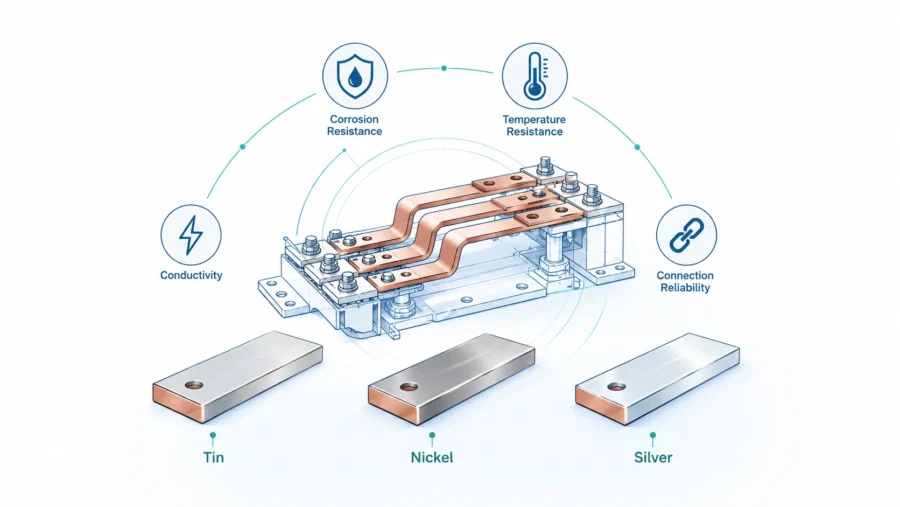
Copper is susceptible to oxidation and corrosion, particularly in environments exposed to humidity or atmospheric pollutants. To combat this, JUMAI provides precision electroplating services.
- Tin Plating: The industry standard. Tin provides excellent corrosion resistance and creates a soft, malleable surface interface that microscopically conforms to mating surfaces when bolted, filling in surface voids and lowering contact resistance.
- Nickel Plating: Used for higher temperature environments or where the busbar interfaces with aluminum components, serving as a barrier to prevent galvanic corrosion.
- Silver Plating: Reserved for the absolute highest performance applications (such as hypercars or extreme fast-charging ports) where minimizing skin-effect resistance at high frequencies is paramount.
2. Dielectric Insulation
Because EV architectures operate at hundreds of volts, catastrophic short circuits are a primary safety concern. Precision Copper Busbars must be meticulously insulated.
- Epoxy Powder Coating: A highly durable, thermally conductive dielectric powder is electrostatically applied and baked onto the busbar. This provides a conformal coating that resists high voltage, physical abrasion, and chemical exposure while still allowing heat to radiate away from the copper core.
- Heat Shrink Tubing / PVC Dipping: Cost-effective solutions for simpler geometries, providing excellent electrical isolation.
- Laminated PET/PI Films: Used extensively in flat, laminated busbar structures to provide high dielectric strength in incredibly thin layers, maximizing space efficiency.
Table 2: Impact of Insulation Choice on Busbar Thermal Dissipation
| Insulation Type | Dielectric Strength (kV/mm) | Thermal Conductivity (W/m·K) | Best Application Scenario |
|---|---|---|---|
| Bare Copper (No Insulation) | N/A (Conductive) | ~390.0 | Safe, low-voltage internal cell connections. |
| Standard Heat Shrink (Polyolefin) | ~20 | ~0.3 | Cost-effective isolation for simple, low-heat runs. |
| Thermal Epoxy Powder Coating | ~30 – 45 | 1.0 – 3.0 | Complex 3D geometries, high-heat environments. Allows heat to escape while providing excellent electrical safety. |
| Polyimide (PI) Film (Kapton) | ~150+ | ~0.1 – 0.5 | Ultra-compact, high-voltage laminated busbar assemblies. |
By carefully selecting the right combination of plating and insulation, JUMAI ensures that our custom Precision Copper Busbars not only deliver power safely but actively participate in the thermal management ecosystem of the EV battery.
Cross-Industry Expertise: From Data Centers to Electric Vehicles
The engineering challenges faced by today’s EV manufacturers are not entirely novel; they are evolutions of problems we have solved in other heavy-duty industries.
During my tenure overseeing power distribution networks for Tier-1 data centers, we faced the challenge of managing immense power loads (megawatts of continuous draw) in highly confined, thermally sensitive server racks. The solution relied heavily on custom-engineered, heavily plated, rigid copper busbar trunking systems.
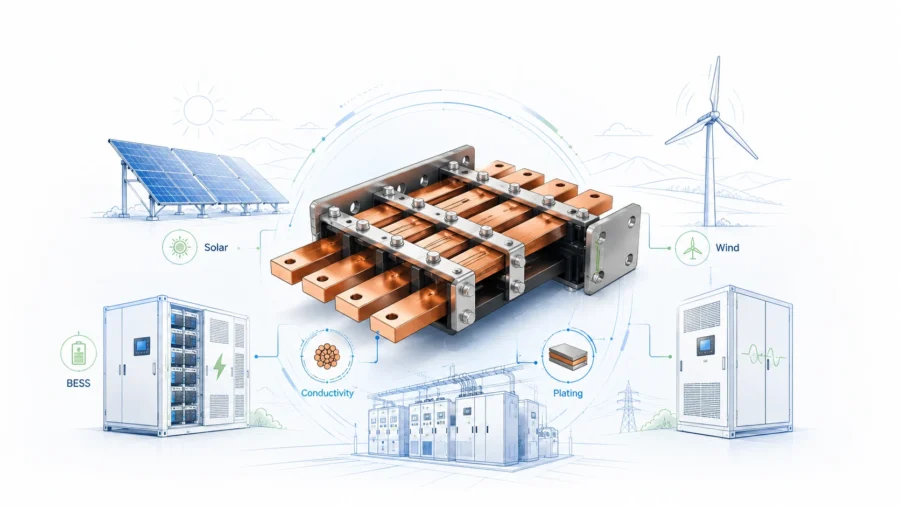
Similarly, in large-scale solar and wind energy storage centers, managing the thermal output of massive lithium-ion battery banks during grid-scale discharge events requires sophisticated flexible and braided busbar networks to accommodate the sheer physical expansion of the battery racks as they heat up.
Electric vehicles synthesize these challenges. They require the massive power density of a data center combined with the harsh, vibrating, thermally volatile environment of industrial energy storage—all packed into a chassis rolling down a highway at 70 miles per hour.
This is why generic, off-the-shelf metal stampings are insufficient for modern EVs. It requires a partner like JUMAI, who understands the holistic physics of power distribution and possesses the specialized equipment—from deep drawing presses to automated braided busbar welding machines—to execute these complex designs.
Why Partnering with JUMAI is a Strategic Advantage for OEMs
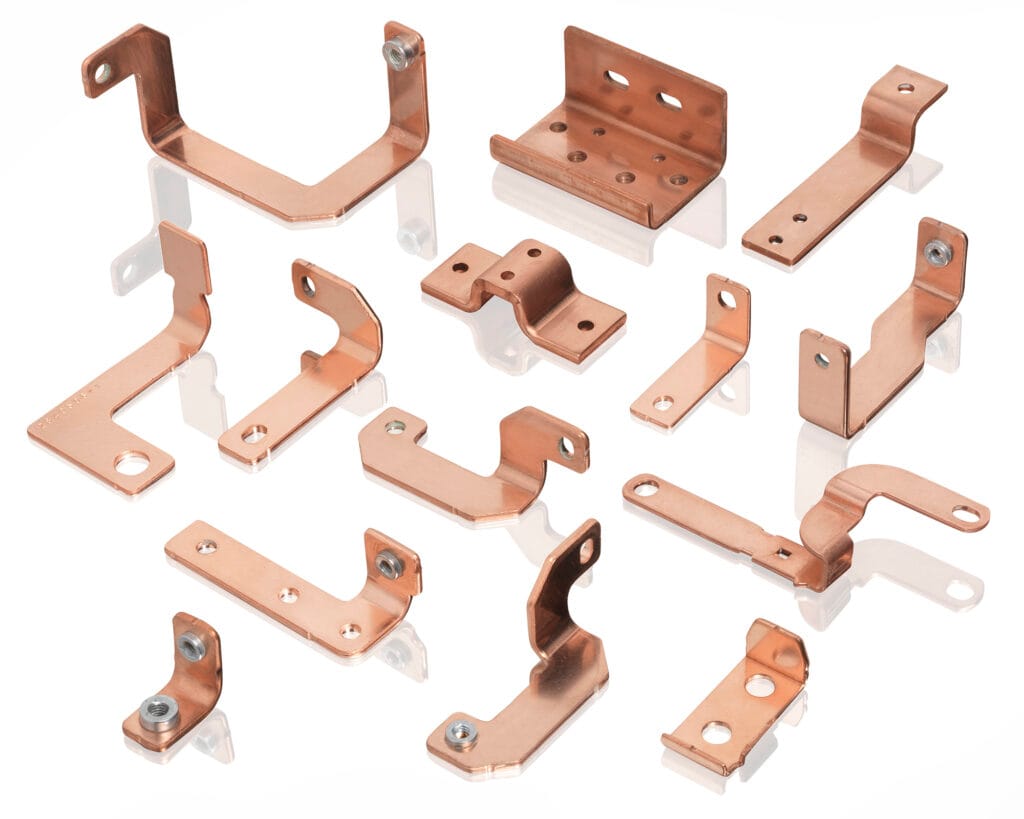
The EV market is fiercely competitive. The efficiency of a vehicle’s thermal management system directly dictates its charging speed, its driving range, and its safety rating—three of the most critical consumer purchasing factors.
By sourcing your Precision Copper Busbars from deepdrawtech.com, OEMs and Tier-1 battery suppliers gain several distinct advantages:
- End-to-End Custom OEM Processing: We don’t just manufacture; we collaborate. From the initial CAD design and thermal modeling of the busbar to the creation of custom deep drawing dies and final high-volume production, we manage the entire lifecycle in-house.
- Uncompromising Quality Control: Every batch of soft, hard, or braided copper busbars undergoes rigorous testing, including micro-ohm resistance testing, hi-pot dielectric testing, and thermal cycling simulations, ensuring zero defects reach your assembly line.
- Scalability: Whether you need a small batch of highly complex, braided prototypes for an R&D hypercar project, or millions of deep-drawn rigid busbars for a mass-market commuter EV, our manufacturing infrastructure is built to scale seamlessly.
- Global Supply Chain Resilience: As a dedicated manufacturer with deep ties to raw non-ferrous metal suppliers, we offer stable pricing and reliable lead times, insulating your production line from global market volatility.
In the race to dominate the electric vehicle market, the details matter. The thermal management of the battery pack is the ultimate arbiter of performance and safety. Precision Copper Busbars are the foundational components that make advanced thermal management possible.
Advanced Manufacturing Techniques for Next-Generation EV Busbars
Achieving the microscopic tolerances required for Precision Copper Busbars cannot be done with outdated machinery. The transition from general electrical applications to high-performance EV battery thermal management requires a manufacturing floor equipped with state-of-the-art technology. At JUMAI, our production lines are engineered to mitigate human error and maximize repeatability.
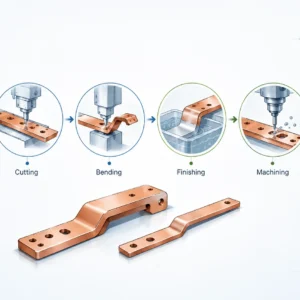
The manufacturing of custom soft, hard, and braided copper busbars relies on several sophisticated processes:
1. Diffusion Bonding (Molecular Welding)
For flexible laminated copper busbars, traditional welding or soldering is entirely insufficient. Introducing a filler metal (like solder or brazing alloy) creates a dissimilar metal joint. This drastically increases electrical resistance, creates a thermal chokepoint, and introduces a weak point susceptible to galvanic corrosion and mechanical fatigue.
Instead, we utilize Diffusion Bonding (also known as diffusion welding). In this process, the stacked layers of highly pure copper foil are subjected to immense mechanical pressure and precisely controlled heat (typically in a vacuum or inert gas atmosphere) just below the melting point of the copper.
At a microscopic level, the atoms across the interfaces of the individual foils migrate and intermingle. The result is a solid, monolithic block of copper at the mounting terminal, while the middle section remains completely flexible. Because there is no filler metal and no actual melting, the electrical and thermal conductivity of the bonded terminal is 100% identical to the base copper foil.
2. Advanced CNC Punching, Bending, and Deep Drawing
As mentioned previously, deep drawing dies are a core specialty at JUMAI. However, when complex 3D routing is required without deep drawing, multi-axis CNC (Computer Numerical Control) machining is deployed.
- Zero-Damage Bending: Bending a rigid copper busbar stretches the outer radius and compresses the inner radius. If done incorrectly, this creates micro-fissures that increase resistance and create hotspots. Our CNC press brakes utilize precision-machined tooling that maintains the cross-sectional area of the copper throughout the bend, ensuring uninterrupted electron flow.
- Waterjet and Laser Cutting: For intricate terminal designs and mounting holes, mechanical punching can sometimes leave microscopic burrs that pierce battery insulation. We employ high-precision laser and waterjet cutting to guarantee perfectly smooth, burr-free edges, which is critical for high-voltage dielectric safety.
3. Ultrasonic Welding for Braided Busbars
When manufacturing braided copper busbars, connecting the thousands of individual fine wires to a solid copper terminal requires specialized techniques. Ultrasonic welding uses high-frequency acoustic vibrations applied to workpieces held together under pressure to create a solid-state weld. This guarantees that every single hair-thin wire is metallurgically bonded to the terminal, ensuring zero power loss and massive vibration resistance.
The Physics of Contact Resistance and Joint Design
Even the most perfectly manufactured Precision Copper Busbar is only as good as its connection point. In EV battery architectures, the interfaces between the battery cell tabs, the busbars, and the main contactors are the most critical thermal bottlenecks.
Engineers refer to this as Contact Resistance (R_c). According to guidelines set by SAE International, minimizing contact resistance is the primary defense against thermal runaway propagation in battery modules.
Contact resistance is not a single value; it is composed of two distinct physical phenomena:
- Constriction Resistance: At a microscopic level, no two metal surfaces are perfectly flat. When a busbar is bolted to a terminal, the actual metal-to-metal contact only occurs at the microscopic peaks (asperities) of the surfaces. The electrical current is forced to “constrict” and flow only through these tiny contact spots, creating resistance and heat.
- Film Resistance: Metals naturally develop thin layers of oxides, sulfides, and other contaminants when exposed to air. These films act as electrical insulators.
How JUMAI Engineers Mitigate Contact Resistance:
To solve this, we engineer the surface of the busbar. By applying specific torque specifications combined with our advanced plating techniques (like heavy tin or silver plating), the softer plating material plastically deforms under the clamping pressure of the bolt.
This soft plating crushes into the microscopic valleys of the mating surface, drastically increasing the actual true contact area (lowering constriction resistance) and breaking through the microscopic oxide layers (eliminating film resistance).
Table 3: The Impact of Surface Engineering on Joint Heat Generation
| Surface Condition of Joint | True Contact Area (%) | Estimated Joint Resistance (Micro-ohms) | Heat Generated at 300 Amps (Watts) | Risk to Battery Thermal Management |
|---|---|---|---|---|
| Bare Copper (Oxidized, Rough) | < 5% | ~45.0 | 4.05 W per joint | CRITICAL: High risk of localized melting and cell degradation. |
| Bare Copper (Cleaned, Machined) | ~ 15% | ~15.0 | 1.35 W per joint | HIGH: Unstable over time due to re-oxidation. |
| Tin-Plated (Precision Milled) | > 60% | ~4.5 | 0.40 W per joint | LOW: Stable, excellent thermal transfer, industry standard. |
| Silver-Plated (Polished) | > 85% | ~1.2 | 0.10 W per joint | NEGLIGIBLE: Maximum efficiency for ultra-fast charging architectures. |
Data representation based on standard metallurgical electrical engineering principles for high-current bolted joints.
By controlling the surface finish down to the micron level, our custom copper busbars ensure that the heat generated at the joints remains well within the dissipation capabilities of the EV’s active cooling plates.
Rigorous Empirical Testing: Guaranteeing Safety at 1000 Volts
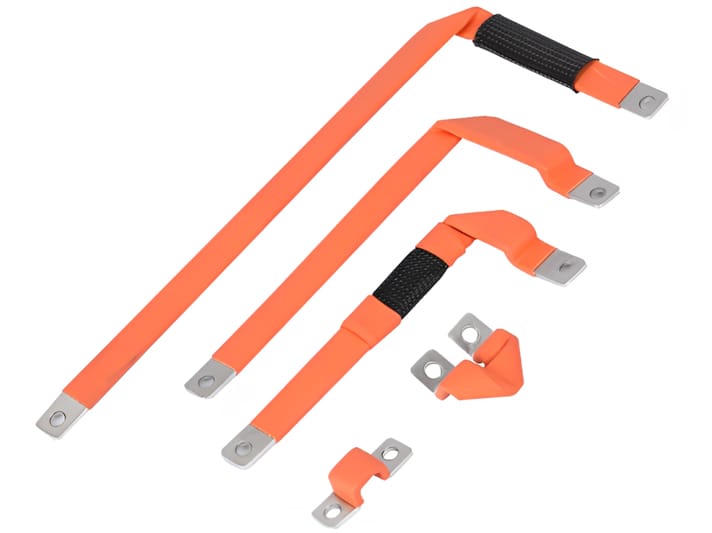
The automotive industry operates under some of the strictest quality control standards in the world. A failure in an EV battery pack is not an inconvenience; it is a life-safety hazard. Therefore, the testing protocols for Precision Copper Busbars must be exhaustive.
At JUMAI (Deep Draw Tech), our quality assurance laboratory simulates the entire 15-year lifecycle of an electric vehicle before a single busbar design is approved for mass production. We align our testing methodologies with global standards, including those from the International Electrotechnical Commission (IEC).
Here are the critical testing protocols we employ:
1. High-Potential (Hi-Pot) Dielectric Testing
As EVs transition to 800V and 1000V systems, the risk of electrical arcing increases exponentially. Hi-Pot testing involves applying a massively high voltage (often 3000V to 5000V) across the insulation of the busbar. This ensures that the epoxy powder coating, heat shrink, or laminated PI films have absolutely zero microscopic pinholes and can withstand transient voltage spikes without breaking down.
2. Thermal Shock and Cycling Simulation
An EV driving in sub-zero winter conditions and then plugging into a 350kW DC fast charger experiences violent temperature swings. We subject our busbars to rapid thermal cycling chambers (e.g., plunging from -40°C to +125°C in minutes). This tests the mechanical integrity of the diffusion bonds in flexible busbars and ensures the insulation materials do not crack, delaminate, or lose their dielectric properties due to differing rates of thermal expansion.
3. Salt Spray and Corrosive Environment Testing
Vehicles operating in coastal areas or regions that use road salt are exposed to highly corrosive environments. Even though battery packs are sealed, condensation and micro-leaks occur. Our busbars undergo hundreds of hours in accelerated salt-fog chambers to verify that our plating processes completely protect the raw copper from galvanic corrosion and oxidation.
4. Vibration and Harmonic Resonance Testing
Particularly critical for our braided copper busbars and heavy rigid busbars, multi-axis shaker tables simulate the continuous vibrations of driving, as well as the high-frequency harmonics generated by the electric motors and inverters. This ensures that mounting brackets do not suffer fatigue failure and bolted joints do not back out over time.
The 800V Architecture Shift: Rewriting the Busbar Rulebook
To truly understand why customized, highly engineered busbars are critical today, we must look at the macro-trend dominating EV engineering: the shift from 400-volt to 800-volt (and higher) architectures.
Pioneered by luxury performance brands and now trickling down to mass-market vehicles, the 800V architecture solves the primary anxiety of EV owners: charging time.
The physics are straightforward. Power equals Voltage multiplied by Current (P = V \times I). To push 350 kilowatts of charging power into a battery, a 400V system requires an immense 875 Amps. Pushing 875 Amps generates catastrophic amounts of heat (remember I^2R), requiring massive, heavy, liquid-cooled charging cables and incredibly thick busbars.
By doubling the voltage to 800V, you halve the required current to achieve the same 350kW of power (437.5 Amps).
How this impacts Precision Copper Busbars:
- Weight Reduction and Miniaturization: Lower current means the cross-sectional area of the copper busbar can be reduced. This allows OEMs to save precious weight and space inside the battery pack, increasing the volumetric energy density of the vehicle.
- Increased Dielectric Demands: While the copper can get smaller, the insulation must get significantly stronger. 800V systems are much more prone to electrical arcing and corona discharge. The precision application of high-grade dielectric coatings (like advanced PI films and specialized epoxy powders) becomes the most critical manufacturing step.
- Advanced Clearances (Creepage and Clearance): Higher voltages require greater physical distances between conductive parts to prevent arcing over the surface of the insulation (creepage) or through the air (clearance). Custom 3D geometries, achieved through our advanced bending and deep drawing capabilities, allow us to snake busbars through the pack while maintaining strict adherence to high-voltage safety margins.
Our deep industry experience allows us to guide our clients through this transition, ensuring their busbar designs are optimized for the complex thermal and electrical realities of 800V+ systems.
Thermal Modeling and Computational Fluid Dynamics (CFD)
In the past, busbar sizing was largely based on lookup tables and rule-of-thumb ampacity charts. Today, designing a thermal management system for an EV battery is a highly computational science.
Before physical prototyping begins, the engineers at JUMAI collaborate with OEM design teams using advanced software to simulate how electricity and heat will flow through the proposed Precision Copper Busbars.
- Electro-Thermal Co-Simulation: This software maps the exact current pathways through the 3D geometry of the custom busbar. It identifies localized areas of high current density (such as tight bends or terminal bottlenecks) which will generate more heat.
- Computational Fluid Dynamics (CFD): We then place that digital busbar into a virtual model of the EV battery pack. CFD software simulates the flow of the active liquid cooling systems (ethylene glycol/water mixes) or forced air cooling. We can see exactly how the copper busbar acts as a thermal bridge, wicking heat away from the battery cells and radiating it into the cooling channels.
If the simulation shows a thermal hotspot that exceeds the battery cell’s safe operating limits (typically around 60°C), we iteratively redesign the busbar. We might increase the cross-sectional area in a specific zone, alter the bend radius, change to a flexible braided design to increase surface area for cooling, or integrate a deep-drawn heat-sink fin directly into the busbar geometry.
This digital-first approach drastically reduces R&D timelines, eliminates physical prototyping waste, and guarantees that the thermal management goals are met before metal is ever cut.
Future-Proofing: Busbars in the Era of Solid-State Batteries
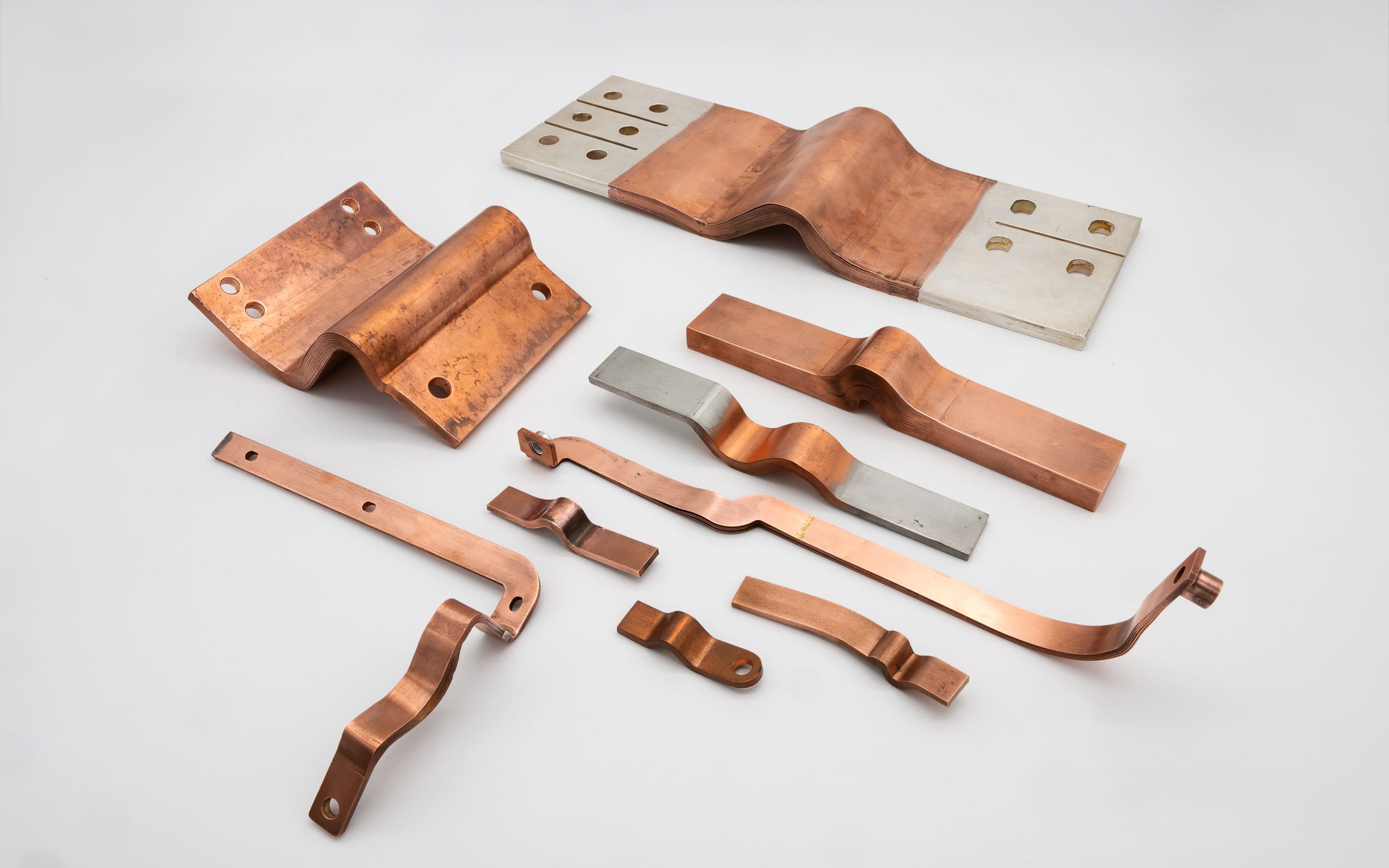
Looking forward, the automotive industry is heavily investing in Solid-State Battery (SSB) technology. By replacing the liquid electrolyte with a solid conductive material, SSBs promise drastically higher energy densities, faster charging times, and the near-elimination of flammability risks.
According to data tracked by the Department of Energy (DOE), solid-state batteries are expected to revolutionize the market within the next decade.
However, SSBs present entirely new mechanical and thermal challenges for power distribution:
- Extreme Expansion Pressures: Solid-state cells physically expand and contract significantly more than traditional lithium-ion cells during charging and discharging cycles.
- High-Temperature Operation: Some solid-state chemistries operate most efficiently at elevated temperatures, completely changing the thermal management paradigm.
To accommodate the intense mechanical “breathing” of solid-state battery packs without tearing the terminals apart, Flexible Laminated Copper Busbars and Braided Copper Busbars will transition from being specialized components to absolute mandatory requirements for every single cell-to-cell connection.
Rigid hard busbars will largely be relegated to external pack connections. The ability of a manufacturer to produce millions of highly reliable, perfectly diffusion-bonded flexible busbars with ultra-high-temperature insulation will be the deciding factor in who leads the solid-state revolution. JUMAI is already tooling our manufacturing lines to meet these future specifications.
The Economics of Precision Copper Busbars in the EV Supply Chain
When automotive executives and procurement officers evaluate the bill of materials (BOM) for an electric vehicle, raw material costs are heavily scrutinized. The spot price of copper is historically higher and more volatile than aluminum or steel. However, evaluating Precision Copper Busbars solely on a cost-per-kilogram basis is a fundamental error in supply chain economics.
To understand the true commercial value, OEMs must analyze the Total Cost of Ownership (TCO) and the systemic cost savings that highly engineered copper connections provide throughout the vehicle’s architecture.
- Volumetric Efficiency and Battery Pack Sizing: As discussed, copper’s superior electrical conductivity allows for a smaller cross-sectional area compared to aluminum. In the highly constrained packaging environment of a battery skateboard chassis, saving even a few cubic centimeters per module translates to massive systemic savings. By using compact, high-efficiency copper busbars, engineers can fit more active battery cells into the same physical footprint. This means an OEM can achieve their target vehicle range with a physically smaller, aerodynamically superior vehicle design, saving thousands of dollars in chassis materials.
- Warranty and Recall Mitigation: The cost of an EV battery recall due to thermal events or connection failures is astronomical, often running into the billions of dollars, not to mention the catastrophic damage to brand reputation. The National Highway Traffic Safety Administration (NHTSA) heavily monitors EV battery safety incidents. Utilizing custom deep-drawn, diffusion-bonded, and heavily insulated Precision Copper Busbars drastically reduces the risk of joint failure, localized melting, and thermal runaway. The slight premium paid for precision manufacturing is an inexpensive insurance policy against devastating recall campaigns.
- Assembly Line Automation: At JUMAI (Deep Draw Tech), our busbars are not just designed for electrical performance; they are designed for manufacturability (DFM). By integrating locating pins, precision-threaded extrusions, and self-aligning deep-drawn geometries directly into the busbar, we enable our automotive partners to utilize high-speed robotic assembly. This reduces cycle times, eliminates human error in high-voltage connections, and slashes direct labor costs on the factory floor.
Table 4: Systemic Cost Impact of Busbar Material Selection
| Cost Factor | Generic Aluminum Busbar | JUMAI Precision Copper Busbar | Systemic Impact on EV Manufacturing |
|---|---|---|---|
| Raw Material Spot Price | Low | High | Copper requires higher initial capital, but dictates long-term efficiency. |
| Manufacturing Complexity | Moderate | High (Requires advanced CNC, deep drawing) | Advanced manufacturing (diffusion bonding, ultrasonic welding) guarantees zero-defect rates. |
| Space Utilization (Volume) | Poor (Requires 60% more volume) | Excellent (Ultra-compact) | Copper allows for smaller battery enclosures or higher energy density (more range). |
| Cooling System Requirements | High (Generates more joint heat) | Low (Acts as an active heat sink) | Copper reduces the load on active liquid cooling systems, saving weight and energy. |
| Long-Term Reliability Risk | High (Cold flow, galvanic corrosion) | Negligible (When properly plated and torqued) | Eliminates costly warranty repairs and catastrophic thermal events. |
Sustainability and the Circular Economy of Copper
The electric vehicle industry is predicated on the promise of environmental sustainability and decarbonization. However, this promise is compromised if the supply chain manufacturing the vehicle relies on environmentally destructive practices.
Copper stands as a pillar of the circular economy. According to data from the Copper Development Association (CDA), copper is 100% recyclable without any loss of its physical, electrical, or thermal properties. It is estimated that nearly 80% of all copper ever mined in human history is still in use today.
At JUMAI, we align our manufacturing processes with the highest standards of environmental stewardship. The production of Precision Copper Busbars through deep drawing metal stamping is inherently more sustainable than traditional subtractive manufacturing (like milling from a solid block of metal).
- Minimizing Material Waste: Subtractive machining generates massive amounts of copper scrap (swarf), which requires energy-intensive recycling to melt back down. Deep drawing and stamping are near-net-shape manufacturing processes. We calculate the exact geometry of the flat copper blank required, utilizing specialized nesting software to maximize yield from the master coil. The minimal skeleton scrap produced is immediately cycled back to our foundry partners.
- Eco-Friendly Plating: Traditional electroplating can involve harsh chemicals. We have invested heavily in closed-loop water filtration and highly regulated, low-toxicity tin and nickel plating baths, ensuring that our surface engineering processes do not harm local ecosystems.
- Energy-Efficient Fabrication: Our adoption of solid-state diffusion bonding and ultrasonic welding for our soft and braided copper busbars consumes significantly less electricity than traditional high-heat arc welding or brazing ovens, further reducing the carbon footprint of the components we supply.
Partnering with a supplier that prioritizes green manufacturing allows OEMs to bolster their own ESG (Environmental, Social, and Governance) ratings, a metric increasingly demanded by modern investors and global regulatory bodies.
Overcoming the “Off-the-Shelf” Trap: The Necessity of Custom OEM Processing
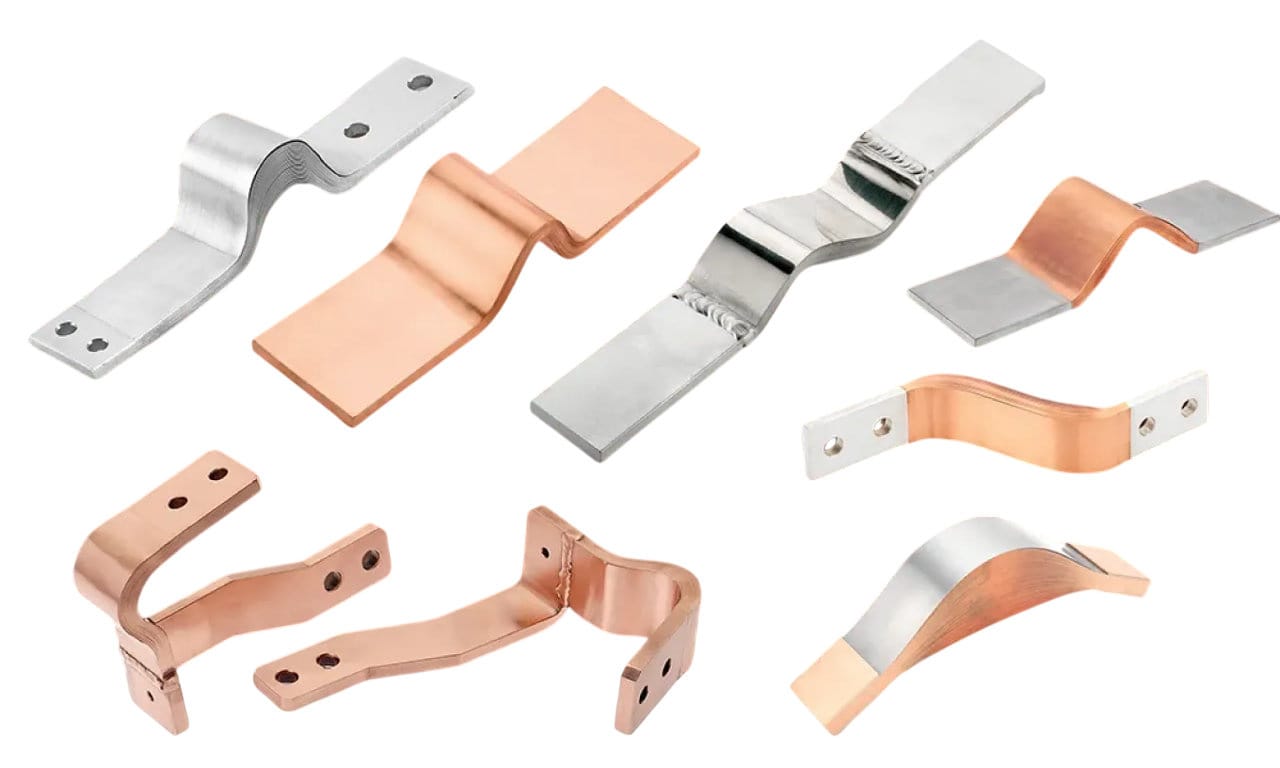
A recurring pitfall we observe with emerging EV startups is the attempt to adapt standardized, off-the-shelf electrical components to highly specialized battery architectures. This approach invariably leads to compromised thermal management.
An electric vehicle is an environment of intense electromagnetic interference (EMI), continuous multi-axial vibration, and extreme thermal cycling. A rigid busbar designed for a static commercial switchgear cabinet will fail catastrophically if bolted into an EV chassis.
This is why Custom OEM Processing is not a luxury; it is an engineering necessity.
When clients engage JUMAI for their power distribution needs, they are not buying a catalog part. They are entering an engineering partnership.
- Application-Specific Geometry: Whether your pack requires a 90-degree twisted rigid busbar to navigate around a cooling manifold, or a highly flexible braided busbar to bridge independent modules across a structural cross-member, we design the tool and die specifically for your spatial constraints.
- Tailored Impedance and Inductance: In high-frequency inverter connections, parasitic inductance can cause destructive voltage spikes. Our engineers can design laminated, multi-layer soft busbars that interleave positive and negative layers, effectively canceling out stray magnetic fields and driving parasitic inductance down to negligible levels.
- Optimized Insulation Strategies: Not all heat shrink or powder coating is created equal. Based on your specific operating voltage (400V, 800V, or higher) and operating temperatures, we select and apply the exact dielectric barrier required to ensure UL and IEC compliance, without over-engineering and adding unnecessary cost.
Beyond Passenger EVs: Heavy-Duty Commercial and Aerospace Applications
While passenger electric vehicles dominate the headlines, the demand for advanced thermal management and high-current power distribution extends far beyond the family sedan. The technologies developed for passenger EVs are rapidly being scaled up for heavy-duty applications, where the demands placed on Precision Copper Busbars are even more extreme.
- Commercial Electric Fleets (Buses and Semis): An electric semi-truck hauling 80,000 pounds requires battery packs in the megawatt-hour range and continuous power draws that dwarf passenger cars. The prolonged high-current discharge during a steep grade climb generates immense heat. Here, ultra-thick, heavy-duty rigid copper busbars, combined with highly robust braided copper busbars to absorb the chassis flex of heavy machinery, are the only viable solutions.
- Marine and Naval Electrification: Electric ferries and commercial vessels operate in highly corrosive, high-humidity environments. The surface engineering—specifically heavy nickel and tin plating—provided by JUMAI is critical to preventing catastrophic galvanic corrosion in saltwater atmospheres.
- eVTOL (Electric Vertical Takeoff and Landing) Aircraft: The emerging aerospace sector demands the absolute highest power-to-weight ratios. In eVTOLs, battery discharge rates during hover phases are incredibly aggressive, generating rapid heat spikes. Simultaneously, weight is strictly limited. JUMAI’s ultra-thin, highly engineered flexible laminated copper busbars with lightweight polyimide (PI) film insulation provide the perfect balance of maximum ampacity, superior thermal dissipation, and extreme weight reduction.
My foundational background in designing power distribution for megawatt-level data centers and large-scale environmental energy storage has proven that heavy-duty applications cannot tolerate weak links. As these new frontiers of electrification expand, the manufacturing principles of precision, purity, and rigorous testing remain the bedrock of reliable power.
The Strategic Value of Precision Connection
The transition to global electrification is not merely a shift in fuel sources; it is a fundamental redesign of how we manage thermal energy and high-voltage power. As battery chemistries improve, motors spin faster, and charging stations push unprecedented kilowatts, the physical connections bridging these systems become the ultimate arbiters of performance.
Why are Precision Copper Busbars critical for EV battery thermal management? Because they are the frontline defense against resistance. By maintaining microscopic dimensional tolerances, utilizing ultra-pure OFHC copper, and deploying advanced deep drawing and solid-state welding techniques, these components prevent the generation of heat at the source. Simultaneously, their unparalleled thermal conductivity acts as a critical passive cooling network, drawing dangerous heat away from sensitive battery cell tabs.
Aluminum cannot match its conductivity or structural reliability. Standard stamping cannot achieve its seamless integration. And off-the-shelf parts cannot survive the rigorous environments of an 800V+ automotive architecture.
At JUMAI (Deep Draw Tech), we understand that a busbar is the lifeline of an electric vehicle. Leveraging our profound expertise in deep drawing dies, custom OEM non-ferrous metal processing, and surface engineering, we transform raw copper into highly intelligent, thermally optimized power arteries.
Whether your engineering team requires the unwavering strength of hard rigid busbars, the dynamic adaptability of soft laminated busbars, or the extreme vibration resistance of braided copper busbars, we possess the manufacturing infrastructure to bring your most demanding architectures to life.
Do not let sub-par connections become the bottleneck of your next-generation electric vehicle. Partner with a manufacturer that understands the physics of power.
Contact JUMAI today to consult with our engineering team, request a prototype review, and discover how our custom OEM precision copper busbars can optimize your battery thermal management, elevate your vehicle’s performance, and secure your position at the forefront of the electric revolution.