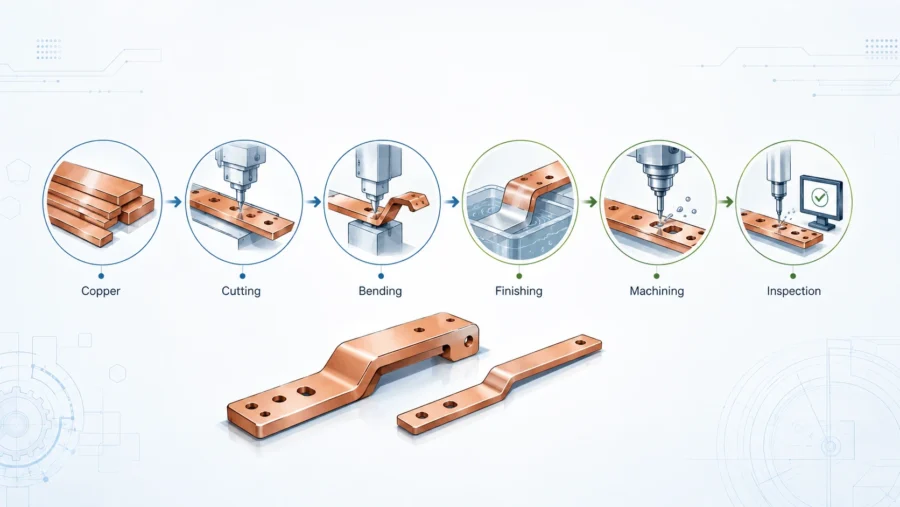
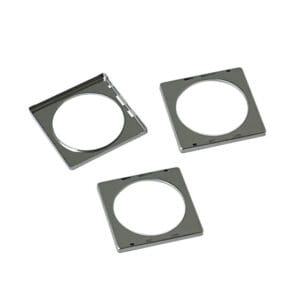
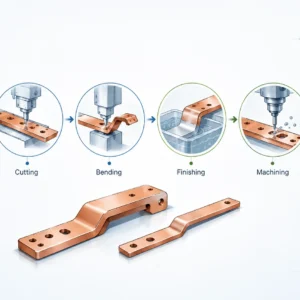
The global energy landscape is undergoing a monumental transformation. As the world rapidly shifts towards renewable energy sources, hyper-scale data centers, and interconnected smart grids, the demand for highly efficient, reliable, and scalable power transmission infrastructure has never been greater. At the heart of this complex electrical nervous system lies a critical, yet often underappreciated component: Precision Copper Busbars.
For modern engineering projects, standard cabling is no longer sufficient to handle the immense ampacity, thermal stress, and spatial constraints of megawatt-level power systems. As an industry leader, JUMAI (via deepdrawtech.com) specializes in bridging this gap by engineering and manufacturing world-class customized rigid, flexible, and braided copper busbars, alongside specialized deep drawing molds and accessories.
In this comprehensive guide, we will explore the engineering mechanics, material science, and overarching economic benefits of integrating braided precision copper busbars into large-scale power transmission networks, demonstrating why they are the ultimate solution for today’s most demanding electrical applications.
The Anatomy of Modern Power Transmission
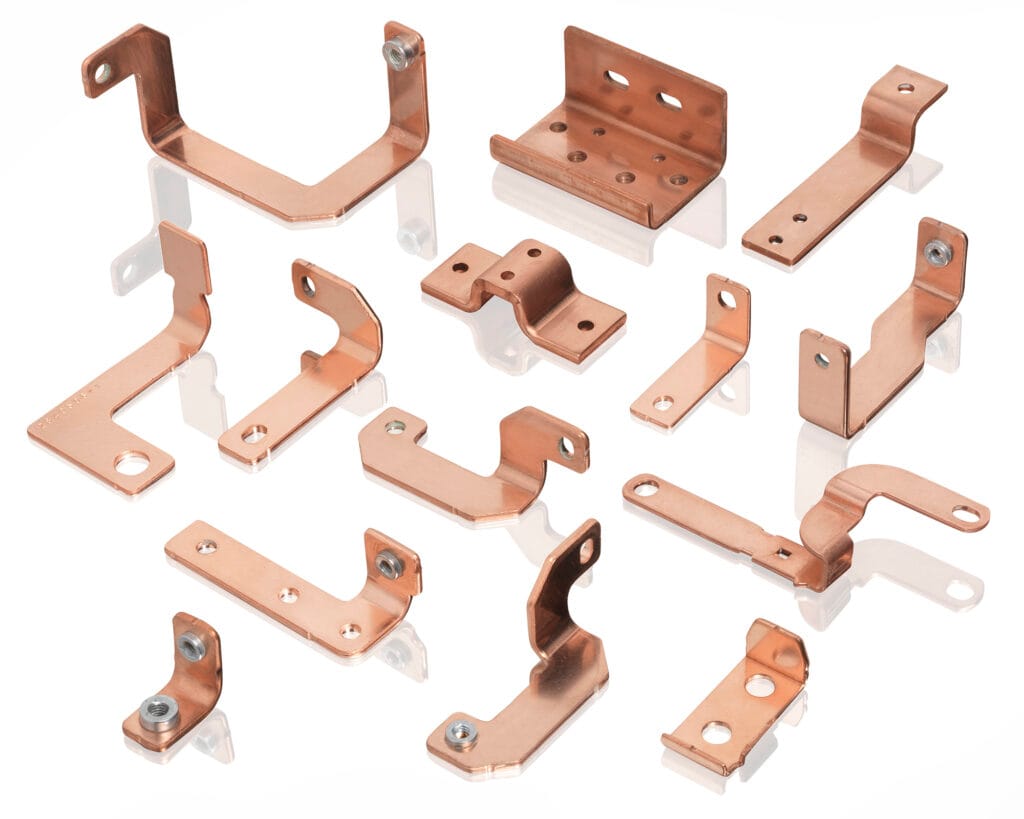
Before diving into the specific advantages of braided configurations, it is essential to understand the sheer scale of modern power transmission. Large-scale power transmission refers to the bulk movement of electrical energy from a generating site—such as a power plant, offshore wind farm, or massive solar array—to an electrical substation, and ultimately to high-demand end-users like hyperscale data centers or industrial manufacturing plants.
According to the International Energy Agency (IEA), global electricity demand is projected to grow at an unprecedented rate, driven by the electrification of the transport sector and the explosive growth of artificial intelligence. This surge requires transmission infrastructure that can handle thousands of amperes of current with absolute minimal energy loss.
When transmitting high-voltage direct current (HVDC) or high-voltage alternating current (HVAC), the conductors must overcome three primary enemies:
- Thermal Expansion and Contraction: High currents generate significant heat. Conductors expand when hot and contract when cold, placing immense mechanical stress on connection points.
- Vibrational Stress: Transformers, generators, and heavy machinery create constant micro-vibrations that can fatigue rigid connections over time, leading to catastrophic failure.
- Electrical Resistance: Any resistance in the conductor translates directly to energy loss (heat), reducing the overall efficiency of the transmission network.
Standard cables are too bulky, difficult to route in tight spaces, and suffer from poor heat dissipation. Rigid busbars are excellent for straight runs but fail under vibrational and thermal stress. This is where the braided architecture of Precision Copper Busbars becomes indispensable.
Decoding Braided Precision Copper Busbars
A braided precision copper busbar is an engineered electrical conductor made by weaving together thousands of ultra-fine copper wires (often as thin as 0.05mm to 0.20mm in diameter) into a flat or tubular matrix. The ends of this braided matrix are then consolidated—typically through high-pressure cold pressing or advanced electron beam welding—into solid, rigid terminals. This unique manufacturing process, a core capability at JUMAI, results in a hybrid component: the terminal ends offer the secure, low-resistance bolting capability of a rigid busbar, while the main body retains the extreme flexibility of a woven fabric.
The Science of “Precision”
The term “precision” in Precision Copper Busbars is not merely a marketing buzzword; it refers to the exact engineering tolerances applied during manufacturing. At JUMAI, precision implies:
- Exact Ampacity Matching: Calculating the precise cross-sectional area required to carry the target load without overheating.
- Deep Drawn Terminals: Utilizing custom deep drawing molds to create seamless, structurally flawless connection terminals that perfectly mate with existing switchgear or transformer inputs.
- Controlled Porosity: Managing the density of the braid to optimize the balance between flexibility and current-carrying capacity.
The Engineering Mechanics of Braided Configurations
Why go through the complex process of weaving thousands of individual copper wires? The answer lies in the harsh realities of industrial physics.
1. Superior Vibration Absorption
In a large-scale power substation, transformers emit a constant, low-frequency hum—a physical vibration caused by magnetostriction in the transformer core. If a rigid busbar connects a vibrating transformer to a static switchgear, the constant shaking will eventually cause the bolts to loosen, or worse, cause the copper itself to suffer from metal fatigue and fracture. Braided precision copper busbars act as mechanical dampeners. The millions of microscopic friction points between the woven wires absorb and dissipate vibrational energy, completely isolating the sensitive switchgear from the vibrating power source.
2. Thermal Expansion Compensation (The “Thermal Bridge”)
As electricity flows through a conductor, joule heating occurs. In systems carrying 2,000 amps or more, busbars can easily reach temperatures exceeding 90°C (194°F). Copper expands as it heats up. In a rigidly bolted system, this expansion pushes against the terminals, creating severe mechanical stress that can crack ceramic insulators or bend mounting brackets. A braided busbar simply bows slightly to accommodate the expansion, exerting zero stress on the connected equipment.
3. Mitigating the Skin Effect in AC Transmission
In Alternating Current (AC) transmission, particularly at higher frequencies, the alternating magnetic fields push the electrical current toward the outer surface of the conductor. This is known as the skin effect. The “skin depth” can be mathematically defined by the equation:
$$\delta = \sqrt{\frac{2\rho}{\omega\mu}}$$
(Where $\delta$ is the skin depth, $\rho$ is the resistivity of the conductor, $\omega$ is the angular frequency of the current, and $\mu$ is the magnetic permeability of the conductor.)
Because the current only travels on the “skin” of the conductor, the inner core of a thick, solid rigid busbar is essentially wasted material. Braided busbars, composed of thousands of individual strands, dramatically increase the total surface area relative to their cross-sectional volume. This vast surface area severely mitigates the skin effect, allowing braided Precision Copper Busbars to carry high-frequency AC currents with significantly higher efficiency and lower operating temperatures than solid bars of the same weight.
Comparative Analysis: Selecting the Right Busbar for the Job
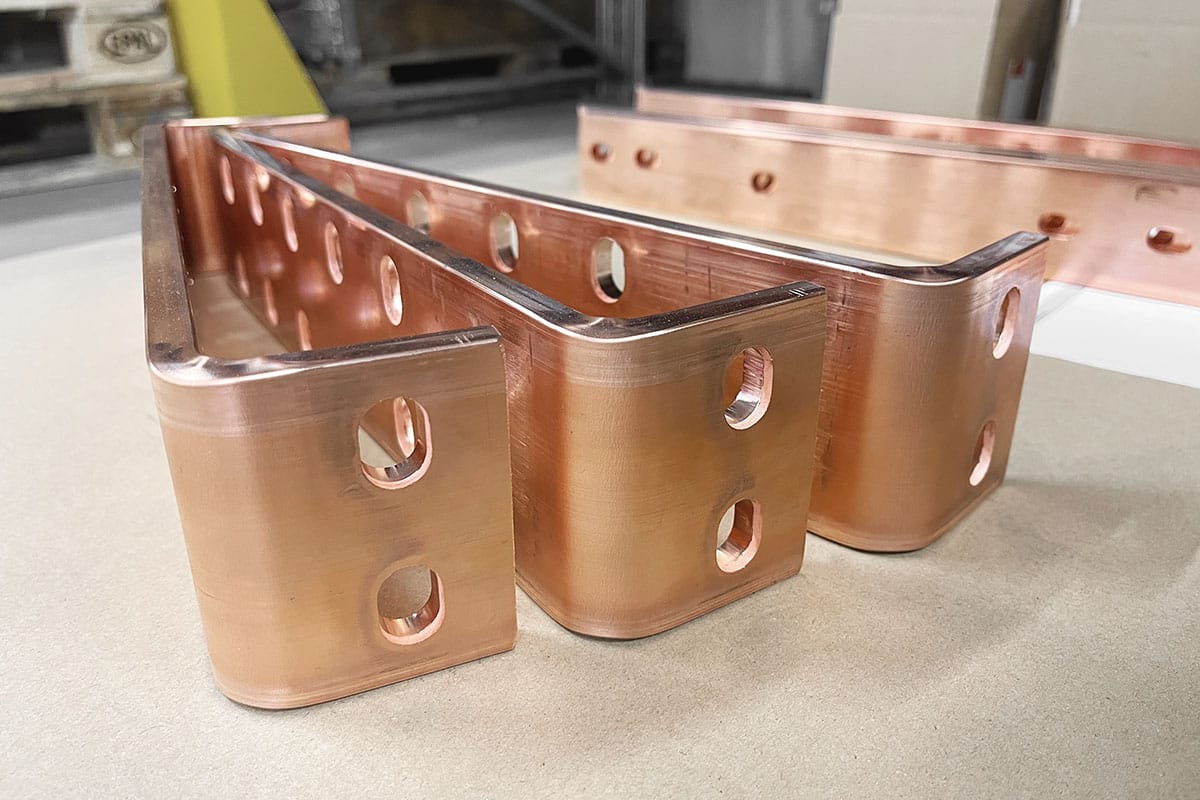
To fully appreciate the role of braided configurations, engineers must compare them against the other standard options available in the industry. At JUMAI, we manufacture all three primary types of copper busbars, tailoring the solution to the specific demands of the project.
Busbar Configuration Comparison Table
| Feature / Metric | Solid Rigid Copper Busbars | Flexible Laminated Busbars | Braided Precision Copper Busbars |
|---|---|---|---|
| Physical Structure | Single solid block of extruded copper. | Multiple thin layers of flat copper foil stacked together. | Woven matrix of ultra-fine copper wires. |
| Flexibility | None (Requires precise bending machines). | High (Only in one plane / 2D axis). | Extreme (Multi-directional / 3D axis). |
| Vibration Dampening | Poor (Transmits shock directly). | Moderate. | Excellent (Absorbs severe mechanical shock). |
| Thermal Expansion Management | Poor (Requires expansion joints). | Good. | Superior (Naturally flexes). |
| Current Carrying Efficiency (AC) | Susceptible to heavy skin effect. | Better than solid, subject to proximity effect. | Highest efficiency due to massive surface area. |
| Ideal Applications | Long, straight transmission lines; static switchboards. | EV battery packs; internal inverter connections. | Transformer-to-switchgear links; seismic zones; heavy machinery. |
As the data clearly demonstrates, while rigid busbars are cost-effective for long, straight runs, they fall short at the critical connection points. Braided busbars are the ultimate bridging technology, ensuring safety and continuity at the most vulnerable points of a transmission network.
The Material Science Behind JUMAI’s Precision Copper Busbars
The structural design of the busbar is only half the equation; the raw material dictates the ultimate performance. In large-scale power transmission, even a 1% drop in conductivity can result in thousands of dollars of wasted energy (heat loss) over a year, not to mention the increased cooling costs required in environments like data centers.
The Imperative of High-Purity Copper
Not all copper is created equal. The electrical conductivity of copper is highly sensitive to impurities, particularly oxygen and phosphorus.
At JUMAI, our Precision Copper Busbars are manufactured utilizing premium-grade Oxygen-Free High Thermal Conductivity (OFHC) copper, specifically C10200 and C11000 grades, complying with the strict guidelines set by the Copper Development Association (CDA).
- Electrolytic Tough Pitch (ETP) Copper (C11000): Contains a minimum of 99.90% copper. It has an electrical conductivity of 101% IACS (International Annealed Copper Standard). It is the industry standard for general electrical applications.
- Oxygen-Free Copper (OFC) (C10200): Contains a minimum of 99.95% copper with virtually zero oxygen content. This prevents hydrogen embrittlement when the busbars are welded or brazed at high temperatures, a crucial factor in manufacturing durable, deep-drawn terminal ends.
Surface Treatments: Tinned vs. Bare Copper
While raw copper is an exceptional conductor, it is susceptible to oxidation (tarnishing) when exposed to air and moisture. Over time, copper oxide forms an insulating layer, increasing contact resistance and causing dangerous hot spots at connection terminals.
To combat this, JUMAI provides advanced surface plating options for our braided busbars:
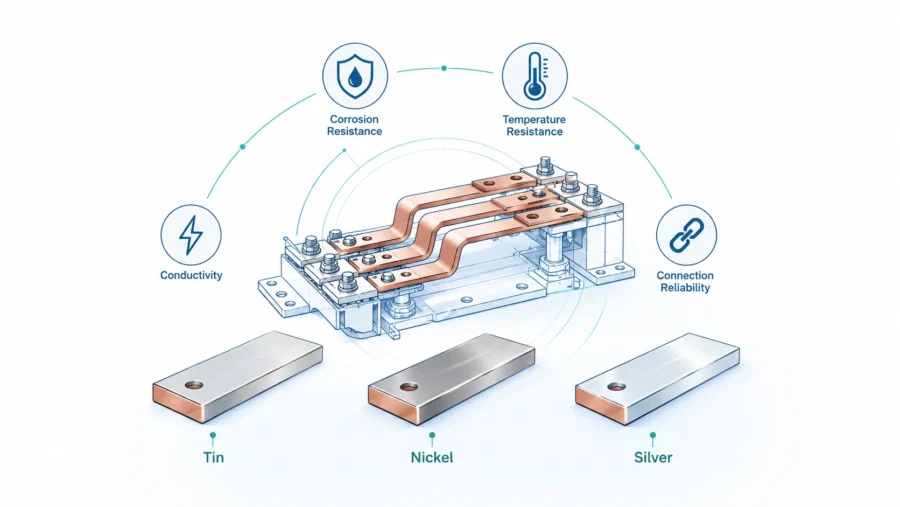
- Tin Plating: The most common and cost-effective anti-corrosion treatment. Tinning protects the copper from oxidizing environments, makes it highly resistant to sulfur compounds (common in industrial areas), and improves solderability.
- Silver Plating: For hyper-critical applications requiring the absolute lowest contact resistance, silver plating is employed. While more expensive, silver oxide remains highly conductive, making it ideal for extremely high-current data center UPS systems.
- Nickel Plating: Used in extreme temperature environments or where harsh chemical corrosion is a threat.
Material Conductivity Data Reference
| Material Grade / Treatment | Purity Level | Conductivity (% IACS) | Primary Advantage for Busbars |
|---|---|---|---|
| C11000 (ETP Bare Copper) | 99.90% Cu | 100% – 101% | Standard high conductivity, cost-effective. |
| C10200 (OFC Bare Copper) | 99.95% Cu | 101% | Immune to hydrogen embrittlement, ideal for welding. |
| Tinned Copper (Plated) | >99.90% Core | ~99% (at contact) | Prevents oxidation, excellent for humid environments. |
| Silver-Plated Copper | >99.90% Core | 105% (at contact) | Lowest contact resistance, highest reliability. |
Critical Applications in Modern Infrastructure
The versatility and resilience of braided Precision Copper Busbars make them the backbone of several rapidly expanding global industries. Let’s examine how these components solve specific engineering challenges in real-world scenarios.
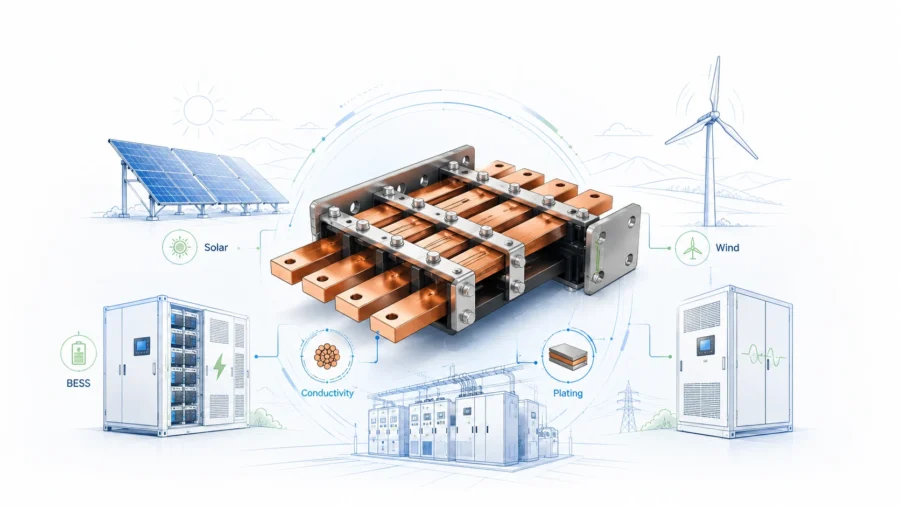
1. The Renewable Energy Sector (Wind and Solar)
The transition to green energy relies heavily on robust electrical connections that can withstand harsh environmental conditions.
- Wind Turbines: Inside the nacelle of a wind turbine, hundreds of feet in the air, a massive generator produces electricity while constantly rotating to face the wind. The cables connecting the generator to the down-tower transformer must endure constant twisting, extreme vibration, and massive temperature fluctuations. Rigid bars would snap; standard cables would fray. Braided copper busbars provide the necessary 3D flexibility and high ampacity to transfer megawatts of power safely down the tower.
- Solar PV Farms: Large-scale solar farms utilize central inverters that convert the DC power generated by thousands of panels into AC power for the grid. The internal connections within these massive, containerized inverters require braided busbars to manage thermal expansion caused by the intense heat generated during peak sunlight hours.
2. Hyperscale Data Centers
Data centers are the engines of the modern digital economy. Facilities operated by tech giants consume hundreds of megawatts of power.
Inside an Uninterruptible Power Supply (UPS) room or a battery backup matrix, space is incredibly tight, and the current density is staggering. When a data center switches from grid power to battery backup during an outage, massive inrush currents occur. Braided Precision Copper Busbars are used to connect massive battery banks to the UPS systems because they can be routed through complex, tight angles (saving precious server floor space) while easily handling the sudden thermal spike of an inrush current without structurally failing.
3. Electric Vehicle (EV) Charging Infrastructure
As the automotive industry pivots to electric, high-power DC fast-charging stations are being deployed globally. These stations convert AC grid power to high-voltage DC to rapidly charge EV batteries. The internal transformers and rectifiers within these charging stations generate significant heat and hum. Braided busbars are perfectly suited to handle the internal connections, ensuring longevity and reducing maintenance costs for the charging network operators.
Advanced Manufacturing Techniques at JUMAI
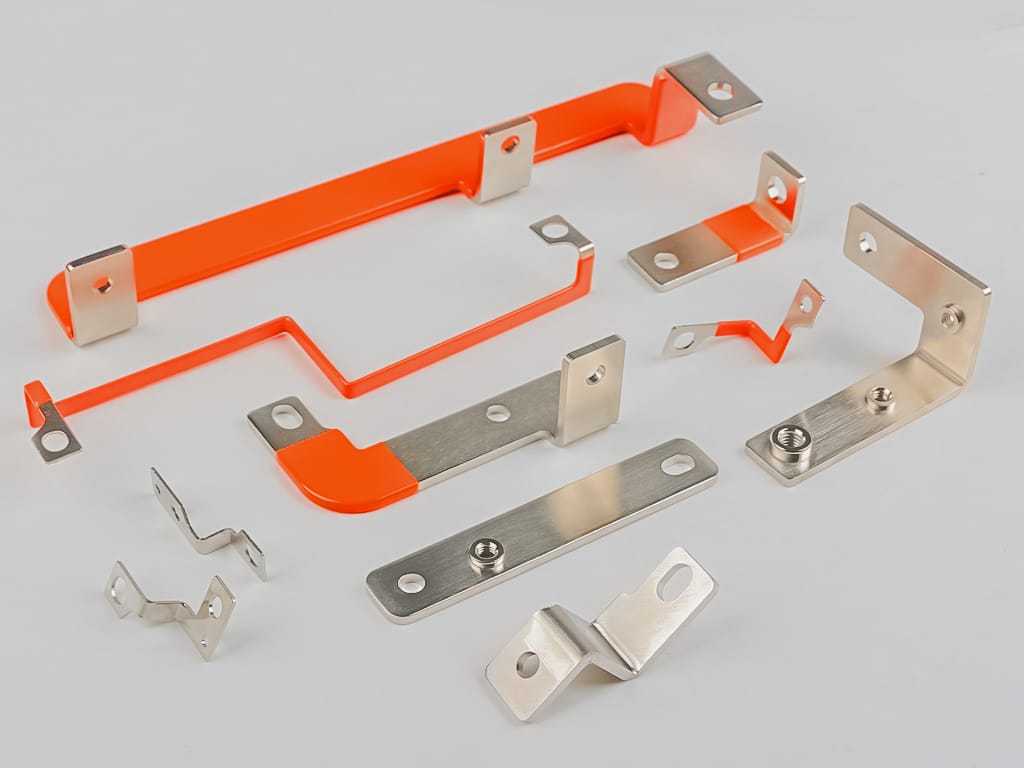
The transition from raw copper wire to a finished, high-performance braided busbar is a complex metallurgical and mechanical journey. The reliability of a large-scale power transmission system rests entirely on the integrity of these manufacturing processes. At JUMAI (deepdrawtech.com), we utilize state-of-the-art facilities to ensure every customized soft, hard, and braided copper busbar meets the exact specifications of our global clientele.
1. Wire Drawing and Precision Weaving
The process begins with ultra-pure copper rods that are cold-drawn through a series of progressively smaller diamond dies until they reach the desired micro-diameter (often between 0.05mm and 0.15mm). This cold-working process aligns the crystalline structure of the copper, increasing its tensile strength. However, because cold-drawn copper is stiff, the wire must be carefully annealed (heated and slowly cooled) in an oxygen-free furnace to restore its extreme flexibility without compromising its electrical conductivity.
Once the micro-wires are prepared, they are loaded into high-speed, multi-carrier braiding machines. These machines weave the wires into flat ribbons or tubular sheaths. The pitch and tension of the weave are critical; a weave that is too tight restricts flexibility, while a weave that is too loose reduces the copper density and current-carrying capacity. JUMAI’s engineers calibrate these machines to produce the optimal porosity for Precision Copper Busbars, ensuring maximum flex life under continuous vibration.
2. Deep Drawing Technology for Terminal Integration
A braided busbar is only as strong as its connection points. Traditionally, braided wires were simply shoved into standard copper tubes and crimped. This rudimentary method leaves air gaps, which increase electrical resistance and create severe hot spots.
This is where JUMAI’s core expertise in deep drawing molds and accessories becomes a game-changer.
Deep drawing is a specialized metal forming process where a flat copper blank is radially drawn into a forming die by the mechanical action of a punch. We use our custom-designed deep drawing molds to manufacture seamless, highly uniform copper ferrules and end-caps. Because these deep-drawn terminals are seamless, they possess superior structural integrity compared to folded or welded seams.
When manufacturing our braided Precision Copper Busbars, the woven copper matrix is inserted into these custom deep-drawn terminals. The entire assembly is then subjected to immense hydraulic pressure. The seamless nature of the deep-drawn cap ensures that the compression is perfectly uniform from all angles, eliminating all microscopic air pockets and essentially fusing the braided wires into a solid, highly conductive block at the connection point.
3. Molecular Diffusion Welding (Press Welding)
For applications demanding the absolute highest tier of performance, such as aerospace, military, and hyperscale data centers, JUMAI employs molecular diffusion welding (often referred to as press welding).
Unlike traditional soldering or brazing, which introduces a foreign filler metal (like tin or silver-alloy) that has a higher electrical resistance than pure copper, press welding uses no filler material whatsoever.
During this process, the ends of the braided copper are placed between high-current graphite or tungsten electrodes. Immense mechanical pressure is applied simultaneously with a massive surge of direct current. The localized heat ($P = I^2R$) combined with the pressure causes the copper molecules to literally diffuse across the boundary layers of the individual wires. The result is a terminal that is 100% pure copper, offering the lowest possible contact resistance and immunity to the thermal degradation that can melt traditional solder joints during a short-circuit fault.
Quality Assurance and International Standards Compliance
In the realm of large-scale power transmission, a single component failure can result in catastrophic downtime, electrical fires, and massive financial losses. Therefore, rigorous quality control is not optional; it is the foundation of the industry.
JUMAI ensures that our Precision Copper Busbars and deep-drawn components comply with the most stringent global electrical and safety standards, including directives from the International Electrotechnical Commission (IEC) and Underwriters Laboratories (UL).
To guarantee performance, every batch of customized busbars undergoes a battery of severe diagnostic tests:
Comprehensive Testing Matrix
| Testing Protocol | Objective | Methodology & Standard Evaluated |
|---|---|---|
| Micro-Ohm Resistance Testing | Verify maximum electrical conductivity. | Using a highly sensitive Kelvin bridge ohmmeter to measure the resistance across the pressed/welded terminal. A high reading indicates internal voids or poor welding. |
| Temperature Rise Testing (Heat Run) | Ensure the busbar will not overheat under maximum continuous load. | Pushing the rated ampacity (e.g., 2,000A) through the busbar for hours while thermal cameras and thermocouples monitor the surface temperature, ensuring it remains within safe limits (typically <90°C). |
| Tensile Pull Testing | Guarantee mechanical strength of the terminal connection. | A hydraulic machine pulls the terminal and the braid in opposite directions until failure, ensuring the deep-drawn terminal crimp or press-weld exceeds the tensile strength of the copper braid itself. |
| Salt Spray (Corrosion) Testing | Validate the integrity of tin, nickel, or silver plating. | Placing the busbars in a highly corrosive, atomized saltwater chamber for 48 to 96 hours to simulate years of exposure in harsh offshore wind or industrial environments. |
| Flex Cycle Fatigue Testing | Prove longevity under vibrational stress. | Machines bend the braided busbar back and forth thousands of times to simulate the vibration of a massive power transformer, checking for wire breakage. |
The Economic Imperative: Total Cost of Ownership (TCO)
When procuring components for multi-million-dollar power infrastructure projects, procurement managers are often tempted to select the lowest-cost supplier. However, in the field of electrical engineering, the initial purchase price of a component represents only a fraction of its true cost. B2B buyers must evaluate the Total Cost of Ownership (TCO).
Investing in premium, customized Precision Copper Busbars from JUMAI yields massive economic dividends over the lifespan of a transmission system.
1. The Financial Cost of Electrical Resistance
The primary function of a busbar is to move electricity with minimal loss. Energy lost as heat due to electrical resistance is energy that a utility company cannot sell, or energy that a data center must pay for twice (once to power the heat loss, and again to power the HVAC systems to cool that heat).
The power loss in an electrical conductor can be calculated using Joule’s Law:
$$P = I^2 R$$
(Where $P$ is power lost in Watts, $I$ is the current in Amperes, and $R$ is the electrical resistance in Ohms.)
Because the current ($I$) is squared in this equation, even a microscopic increase in resistance ($R$)—caused by a poorly manufactured terminal or low-purity copper—results in massive power losses in high-current systems.
For example, in a system carrying 3,000 Amps continuously, a poorly crimped busbar with just 10 micro-ohms ($0.00001 \Omega$) of extra resistance will waste 90 Watts of power continuously at that single connection point. Multiply that by hundreds of connections across a data center, running 24/7 for 10 years, and the financial waste climbs into the tens of thousands of dollars. JUMAI’s precision molecular press welding and deep-drawn terminal integration minimize this resistance, directly boosting your bottom line.
2. Eliminating Unscheduled Downtime
In heavy industry and IT infrastructure, downtime is the ultimate enemy. According to industry reports, an unplanned outage in a hyperscale data center can cost upwards of $9,000 per minute.
Rigid busbars subjected to constant transformer vibration will eventually experience bolt loosening or metal fatigue, leading to an arcing fault and a complete system shutdown. Braided Precision Copper Busbars completely absorb this vibration. By spending a fraction more on engineered flexible connectors upfront, facility managers essentially buy an insurance policy against catastrophic mechanical-electrical failures, dramatically reducing maintenance labor and preventing ruinous downtime.
Installation Protocols and Engineering Best Practices
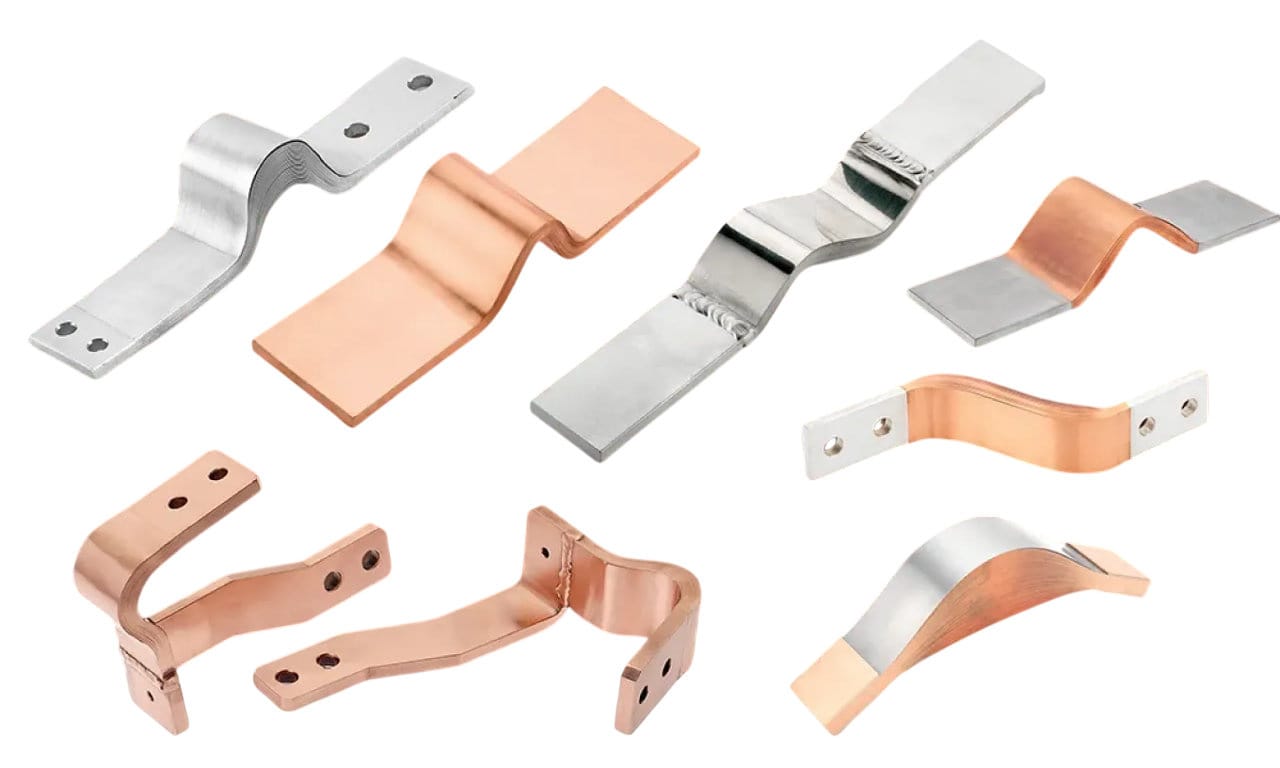
Even the highest quality Precision Copper Busbars must be installed correctly to function safely. JUMAI partners closely with our B2B clients to ensure proper integration. When routing and installing braided flexible busbars, engineers and technicians must adhere to strict protocols:
- Strict Torque Specifications: The bolts connecting the deep-drawn busbar terminals to the switchgear or transformer must be tightened using a calibrated torque wrench. Under-torquing leaves microscopic air gaps that cause severe electrical arcing and heat generation. Over-torquing can warp the copper terminal or strip the threading. Always adhere to the specific Newton-meter (Nm) ratings provided by the equipment manufacturer.
- Managing the Bend Radius: While braided copper is highly flexible, it is not indestructible. Bending the braid at a sharp 90-degree angle immediately adjacent to the rigid terminal puts immense localized stress on the outer wires, leading to premature snapping. Engineers must allow for a smooth, sweeping bend radius to distribute the mechanical load evenly across the entire woven matrix.
- Clearance and Creepage Distances: Because braided busbars flex under thermal expansion and electromagnetic forces (during a short circuit, parallel busbars carrying immense current can literally repel each other with magnetic force), installers must leave adequate physical space between parallel phases to prevent accidental contact or electrical arcing.
The Future of Large-Scale Power Transmission
As we look toward the next decade, the demands on power infrastructure will only intensify. The rapid adoption of 800V and 1000V architectures in electric vehicles, the expansion of Ultra-High-Voltage Direct Current (UHVDC) transmission lines traversing continents, and the integration of decentralized smart grids all require unparalleled connection reliability.
Furthermore, sustainability is becoming a non-negotiable metric. JUMAI is committed to optimizing our deep drawing and copper processing techniques to minimize material waste. Because copper is 100% recyclable without any loss of performance, the precision busbars we deploy today will remain a vital part of the circular economy for generations to come.
Real-World Case Studies: Precision Copper Busbars in Action
Theoretical engineering principles only hold value when proven in the field. At JUMAI, our customized soft, hard, and braided copper busbars, along with our specialized deep-drawn accessories, have been deployed in some of the most unforgiving environments on the planet. The following case studies illustrate the tangible ROI and operational superiority of our components.
Case Study A: Hyperscale Data Center Power Distribution (Northern Europe)
The Challenge: A leading global cloud service provider was constructing a 150MW hyperscale data center. The facility required a massive Uninterruptible Power Supply (UPS) battery matrix to guarantee 100% uptime. During grid switchovers, the system experienced extreme transient inrush currents (spikes exceeding 10,000 Amps for milliseconds). Standard rigid copper busbars were micro-fracturing at the bolt joints due to the violent electro-dynamic forces (magnetic repulsion between parallel conductors) and rapid thermal expansion.
The JUMAI Solution: Our engineering team collaborated with the facility’s designers to replace the rigid connections with custom-engineered, silver-plated braided Precision Copper Busbars. We utilized our advanced deep drawing molds to create ultra-thick, seamless terminals capable of withstanding massive torque.
- Material: C10200 Oxygen-Free Copper.
- Process: Molecular press welding for zero-filler fusion.
- Surface: 5-micron silver plating to ensure the lowest possible contact resistance ($<5 \mu\Omega$).
The Result: Post-installation data certified by the Uptime Institute standards revealed a 14% reduction in energy loss at the connection nodes. More importantly, after 36 months of operation and multiple simulated grid failures, thermal imaging showed zero hot spots, and the facility experienced zero connection-related downtime. The 3D flexibility of the braided design entirely absorbed the electro-dynamic shockwaves.
Case Study B: Offshore Wind Farm Substation (North Sea)
The Challenge: An offshore wind energy consortium faced premature failure of the electrical connections within their turbine nacelles. The combination of high-salinity marine air, constant multidirectional vibration from the turbine blades, and extreme temperature fluctuations was causing severe metal fatigue and galvanic corrosion on standard laminated flexible busbars.
The JUMAI Solution: We designed a highly specialized tubular braided copper busbar. Unlike flat braids, a tubular braid provides superior multi-axis flexibility, perfectly countering the erratic swaying of the nacelle.
- Material: C11000 ETP Copper with heavy-duty tin plating.
- Process: Deep-drawn seamless end caps sealed with industrial-grade heat shrink tubing to isolate the copper from the corrosive salt air.
The Result: The tinned Precision Copper Busbars successfully passed a rigorous 144-hour salt spray test without any degradation of the core material. The multi-axis flexibility eliminated the mechanical stress on the generator terminals, extending the projected maintenance interval of the electrical connections from 3 years to over 10 years, drastically reducing the dangerous and expensive need for offshore maintenance crews.
Advanced Diagnostics and Preventive Maintenance
While braided Precision Copper Busbars are incredibly resilient, they are deployed in high-stress environments. Facility managers must implement rigorous preventive maintenance protocols to ensure decades of safe operation. JUMAI recommends the following diagnostic methodologies:
1. Infrared Thermography (Thermal Imaging)
The most effective way to evaluate the health of a high-voltage connection under load is through thermal imaging. By utilizing specialized infrared cameras, technicians can safely scan the busbars while the system is live.
- What to look for: A healthy busbar will display a uniform temperature signature. If a deep-drawn terminal shows a sharp spike in temperature (a “hot spot”) compared to the surrounding braided wire, it indicates an increase in electrical resistance. This is usually caused by a loosened bolt, oxidation, or physical damage to the terminal interface.
2. Micro-Ohm Millivolt Drop Testing
During scheduled shutdowns, engineers should perform a millivolt drop test using a digital micro-ohmmeter. This device pushes a specific, known current (e.g., 100A DC) across the busbar terminal and measures the voltage drop.
- The Physics: According to Ohm’s Law ($V = I \times R$), if the current is constant, an increase in voltage drop indicates an increase in resistance. JUMAI provides baseline resistance data for all our OEM products. If the measured resistance exceeds the baseline by more than 15-20%, the connection must be disassembled, cleaned, re-plated if necessary, and re-torqued.
Diagnostic Troubleshooting Matrix
| Symptom / Anomaly | Primary Suspect | Recommended Corrective Action |
|---|---|---|
| Localized Hot Spot at Terminal | Loose connection bolt; torque relaxation. | Shut down system, inspect for arcing damage, clean surface, re-torque to spec. |
| Discoloration (Blue/Black) on Braid | Severe overheating; exceeding rated ampacity. | Verify load currents do not exceed the busbar’s cross-sectional limits. Reassess system design. |
| Fraying or Broken Outer Wires | Bend radius is too tight; excessive physical abrasion. | Replace busbar. Re-route the connection to ensure a wider, sweeping bend radius. |
| Green Patina / White Powdery Build-up | Chemical corrosion; compromised plating. | Replace with a heavy-tinned or nickel-plated busbar designed for harsh chemical environments. |
The JUMAI OEM/ODM Customization Workflow
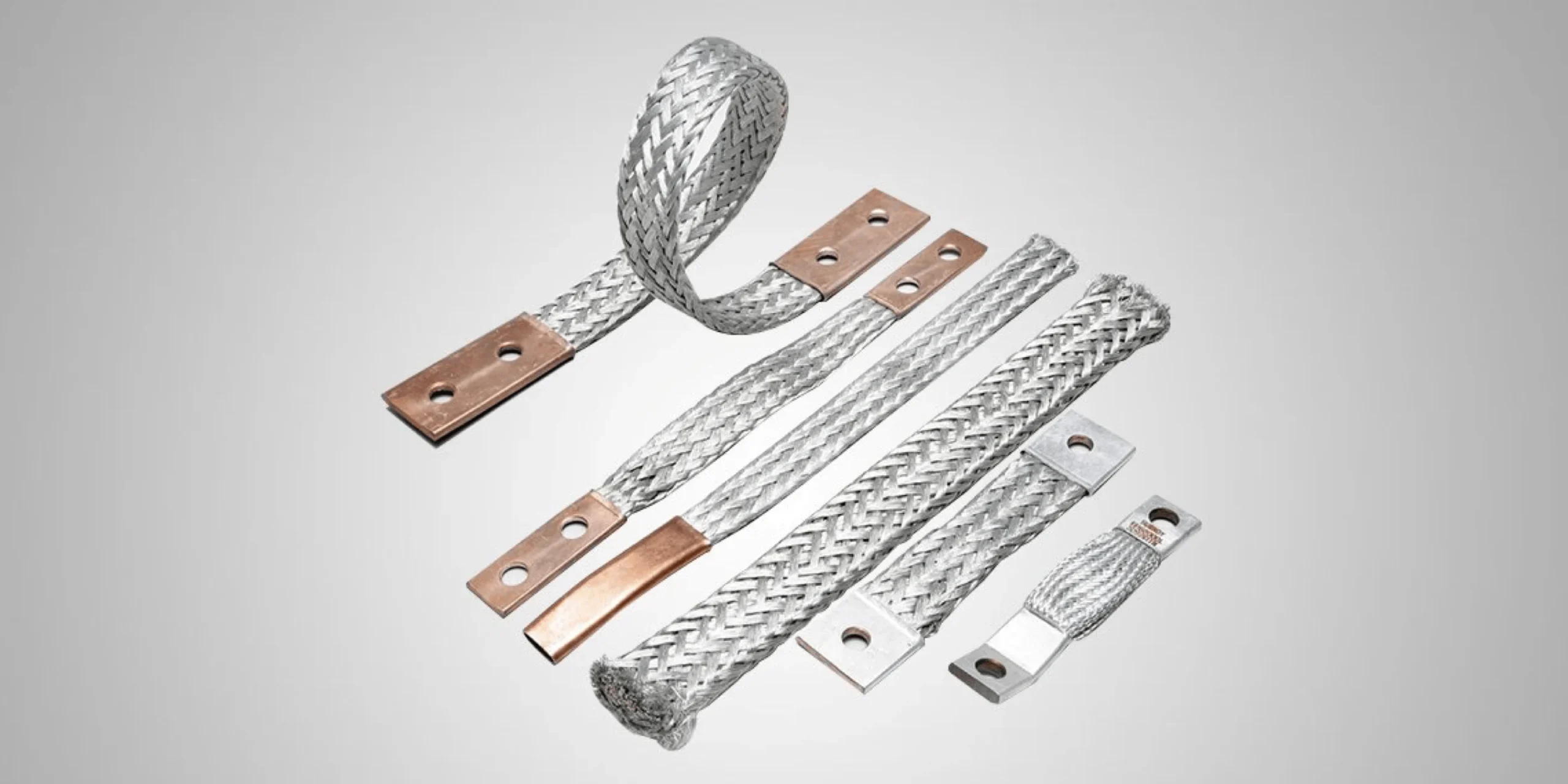
At deepdrawtech.com, we do not expect our B2B clients to adapt their cutting-edge designs to fit standard, off-the-shelf components. Instead, we adapt our manufacturing to your exact engineering requirements. Our Original Equipment Manufacturer (OEM) and Original Design Manufacturer (ODM) workflow is structured to deliver flawless, customized Precision Copper Busbars and deep-drawn accessories globally.
Phase 1: Engineering Consultation and Parameter Definition
Our process begins with a deep dive into your project’s technical requirements. We require specific data points to engineer the perfect solution:
- Continuous and Peak Ampacity (Current load).
- System Voltage (AC or DC).
- Operating Environment (Ambient temperature, humidity, chemical exposure).
- Spatial constraints (3D CAD models of the installation space).
Phase 2: Finite Element Analysis (FEA) and Simulation
Before a single piece of copper is cut, JUMAI engineers utilize advanced computer simulations to model the thermal and electrical performance of the proposed busbar design. By adhering to guidelines from the Institute of Electrical and Electronics Engineers (IEEE), we simulate the skin effect, proximity effect, and joule heating to ensure the cross-sectional area of the braid is mathematically optimized for your specific load, preventing over-engineering (wasting money) or under-engineering (risking failure).
Phase 3: Custom Deep Drawing Mold Fabrication
If your switchgear requires a unique terminal shape—such as a specific angle, offset, or multi-hole configuration—our in-house tooling department designs and mills the custom deep drawing molds. This vertical integration allows JUMAI to rapid-prototype complex terminals in weeks, not months.
Phase 4: Online Preview and Mass Production
Once the prototype is physically validated through our rigorous QA testing matrix (as detailed in Part 2), we provide clients with detailed documentation and an online preview of the final component. Upon approval, the order moves to our automated, high-volume production lines, capable of delivering thousands of precision-engineered busbars with absolute consistency.
Expanding Beyond Busbars: Deep Drawn Accessories
While Precision Copper Busbars are the arteries of power transmission, the surrounding infrastructure requires equally robust metal components. JUMAI’s mastery of deep drawing technology extends far beyond copper terminals. We provide customized deep-drawn accessories that are vital to the electrical and新能源 (New Energy) sectors:
- Electromagnetic Interference (EMI) Shields: Deep-drawn copper or aluminum housings used to encapsulate sensitive printed circuit boards (PCBs) and sensors, protecting them from the massive magnetic fields generated by high-current busbars.
- Battery Cell Casings: Precision-drawn aluminum and steel casings for lithium-ion battery modules used in EVs and grid-scale energy storage. The seamless nature of deep drawing ensures perfect hermetic seals, preventing electrolyte leakage.
- Custom Sensor Brackets and Mounts: Utilizing high-strength alloys to create rigid, vibration-proof mounting hardware for the transformers and switchgear that our busbars connect to.
By sourcing both the electrical conductors and the mechanical hardware from deepdrawtech.com, procurement teams streamline their supply chains, ensure perfect component compatibility, and significantly reduce overall project costs.
Comprehensive B2B Frequently Asked Questions (FAQ)
To further assist procurement managers, electrical engineers, and facility designers, we have compiled the most frequently asked questions regarding our manufacturing capabilities and the deployment of copper busbars.
1. What is the fundamental difference between soft, hard, and braided copper busbars?
- Hard Copper Busbars: Solid, rigid, extruded copper. Used for straight, long-distance power routing where structural support is required. They cannot bend without heavy machinery.
- Soft (Flexible/Laminated) Busbars: Made of stacked, thin copper foils. They offer excellent flexibility on a single 2D plane (like bending a book) and are great for internal battery connections.
- Braided Busbars: Woven from thousands of micro-wires. They offer true 3D, multi-axis flexibility, superior vibration dampening, and the highest AC efficiency due to maximum surface area.
2. How do I determine the correct cross-sectional area for my busbar?
The cross-sectional area (measured in $mm^2$ or MCM) must be calculated based on the maximum continuous current, the acceptable temperature rise, and the ambient temperature. Generally, a rough industry rule of thumb for copper is 1.5 to 2.0 Amps per $mm^2$ for continuous loads in enclosed spaces, but this varies wildly based on ventilation. JUMAI’s engineering team provides precise ampacity calculations for every custom order based on IEC 61439 standards.
3. Why is “Molecular Press Welding” superior to standard brazing for terminals?
Brazing uses a filler metal (like a silver/phosphorus alloy) to glue the copper wires to the terminal. This filler metal has a higher electrical resistance than pure copper, creating a microscopic bottleneck for electricity. Molecular press welding uses immense pressure and direct current to fuse the copper molecules directly to each other without any filler. The result is a terminal that is 100% pure copper from end to end, ensuring zero added resistance.
4. Can JUMAI manufacture busbars with custom insulation?
Yes. Depending on the voltage rating and environmental hazards, we can extrude or apply various insulations over the braided copper. Options include Polyvinyl Chloride (PVC) for standard applications, Silicone rubber for extreme high-temperature environments, and specialized heat-shrinkable Teflon (PTFE) for harsh chemical resistance.
5. What is the minimum order quantity (MOQ) for custom OEM deep-drawn molds and busbars?
Because we own our tooling and deep-drawing facilities, JUMAI is highly flexible. While we excel at high-volume mass production (10,000+ units), we routinely work with R&D departments and prototype engineers on smaller, specialized batch runs. Contact our sales team via deepdrawtech.com for a specific consultation and quotation based on your CAD files.
6. How does the “Skin Effect” impact my choice of busbar for AC power?
In Alternating Current systems, electricity naturally pushes to the outer surface (the skin) of the conductor. In a thick, solid rigid busbar, the center of the copper is practically unused, wasting weight and money. Braided Precision Copper Busbars are made of thousands of tiny wires, meaning almost 100% of the copper is “surface area.” Therefore, braided busbars carry high-frequency AC current much more efficiently than solid bars.
Glossary of Essential Industry Terminology
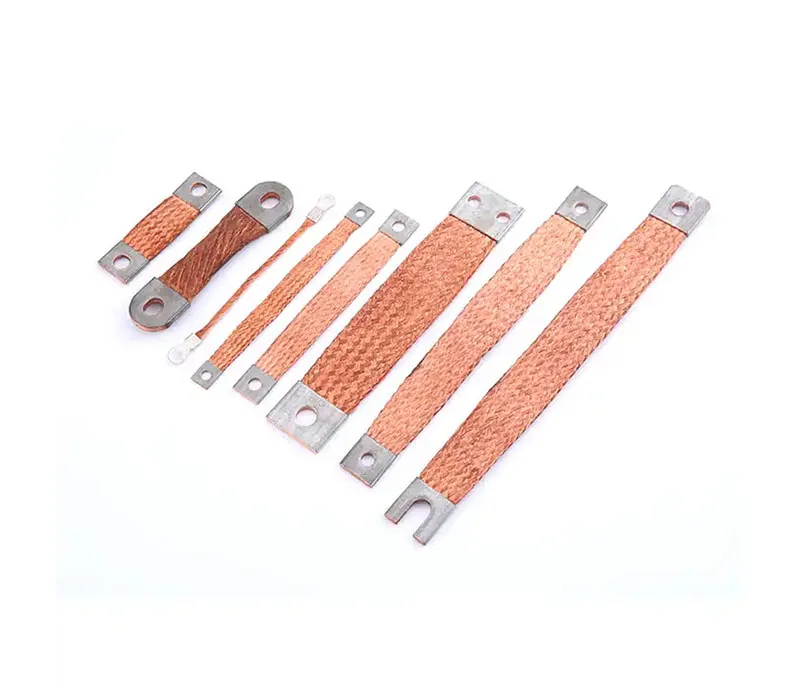
To navigate the complex world of large-scale power transmission, engineers and buyers must speak a common language.
- Ampacity: The maximum amount of electrical current a conductor or device can carry before sustaining immediate or progressive deterioration.
- Deep Drawing: A metal forming process in which sheet metal is progressively stretched into a 3D shape (like a cup or a seamless terminal) using mechanical punches and dies.
- Electro-dynamic Force: The physical, magnetic force exerted between parallel electrical conductors. During a short circuit, this force can be strong enough to bend solid steel and violently rip apart rigid busbars.
- Hydrogen Embrittlement: A structural failure that occurs when oxygen-rich copper is heated (welded) in a hydrogen-rich atmosphere. The hydrogen reacts with the oxygen to form steam micro-pockets inside the metal, causing it to shatter. JUMAI uses Oxygen-Free Copper (OFC) to prevent this.
- IACS (International Annealed Copper Standard): The standard metric for comparing the electrical conductivity of metals. Pure annealed copper is rated at 100% IACS.
- Joule Heating: The process by which the passage of an electric current through a conductor produces heat due to electrical resistance.
- Skin Effect: The tendency of alternating high-frequency current (AC) to distribute itself within a conductor such that the current density is largest near the surface of the conductor.
- Torque Relaxation: The gradual loosening of a bolted mechanical joint over time, typically caused by thermal expansion/contraction cycles or constant vibration.
Final Summary: Partnering with JUMAI
The architecture of modern power—whether it flows through a massive offshore wind turbine, a hyperscale AI data center, or a global electric vehicle charging network—relies on the unseen heroes of electrical engineering. Standard cables will fray. Rigid bars will fracture. But engineered, braided Precision Copper Busbars will endure.
By integrating deep material science, advanced multi-axis braiding, molecular diffusion welding, and seamless custom deep drawing molds, JUMAI has established itself as the premier global manufacturer of customized soft, hard, and braided copper transmission components.
When you choose to source your critical infrastructure components from deepdrawtech.com, you are not merely purchasing a piece of metal; you are investing in absolute operational certainty, optimized thermal efficiency, and decades of maintenance-free reliability.
Don’t let a sub-standard connection become the weakest link in your megawatt infrastructure. Contact the engineering experts at JUMAI today via deepdrawtech.com to submit your CAD drawings, request an online preview of your custom deep-drawn molds, and secure a highly competitive B2B quotation for your next-generation power transmission project.