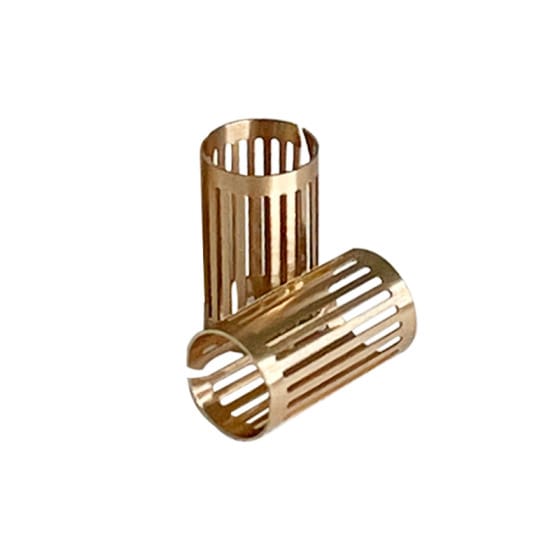
How deep drawn stamping Reduces Welds and Assembly Steps
Welds and assembly operations often look “cheap” on a CAD model—but in real OEM production they can become the biggest drivers of…


Welds and assembly operations often look “cheap” on a CAD model—but in real OEM production they can become the biggest drivers of…
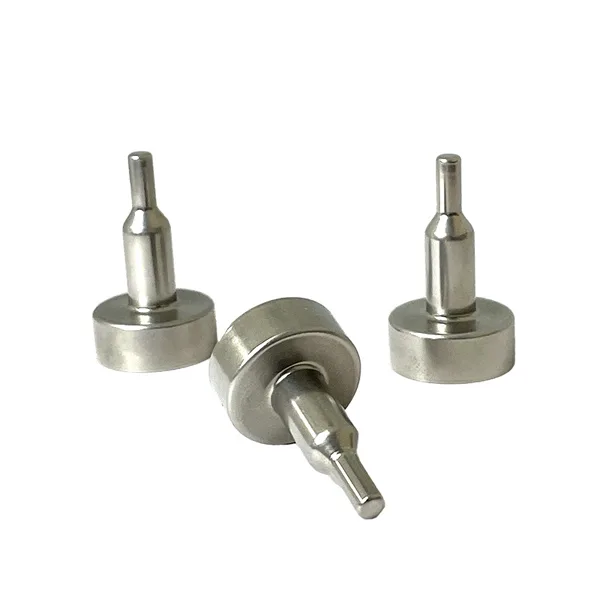
When an OEM program moves from prototype to production, deep drawn metal stamping often looks deceptively simple: a punch, a die, a…
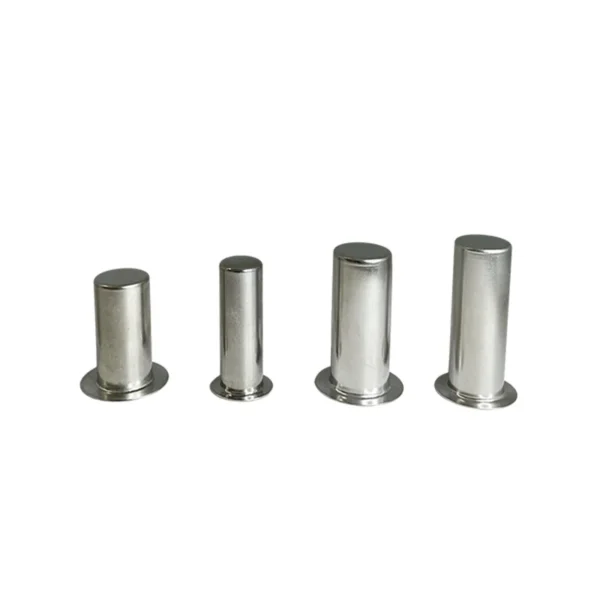
Battery enclosures have become one of the most demanding “metal box” applications in modern manufacturing. They must protect high-energy cells, survive vibration…

When space is limited, power still has to move safely, efficiently, and repeatably. A flexible copper busbar link is often the simplest…

Sourcing busbar copper looks simple until an OEM program hits real-world pressure: heat rise limits, tight assembly tolerances, plating reliability, and supplier…
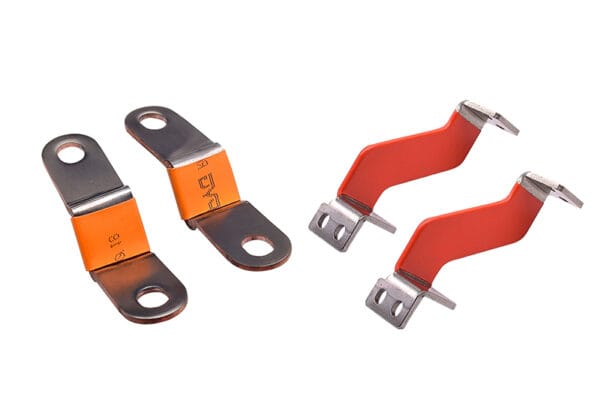
Switchgear OEMs live and die by reliability, repeatability, and compliance. When the main circuit carries thousands of amps and must survive thermal…
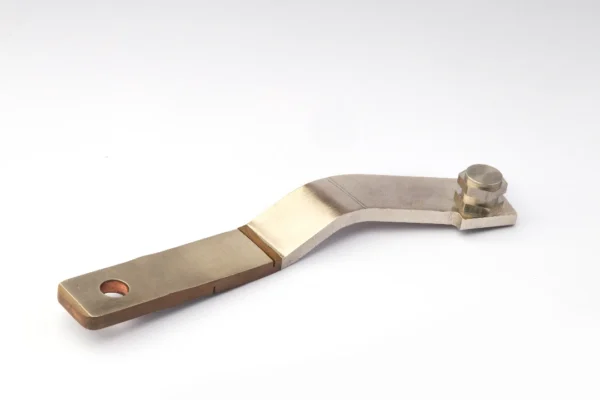
Electric vehicles are rewriting the rules for power distribution inside a compact, vibration-prone, heat-limited space: the battery pack. In that environment, a…
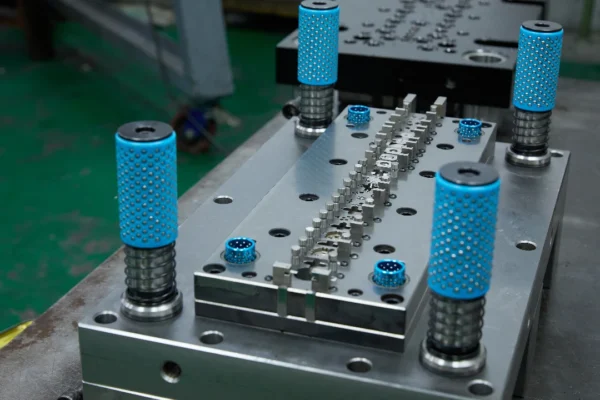
A stamping die is the “engine” behind consistent, high-volume sheet metal parts—whether you’re making precision copper busbars, deep-drawn housings, terminals, shields, brackets,…
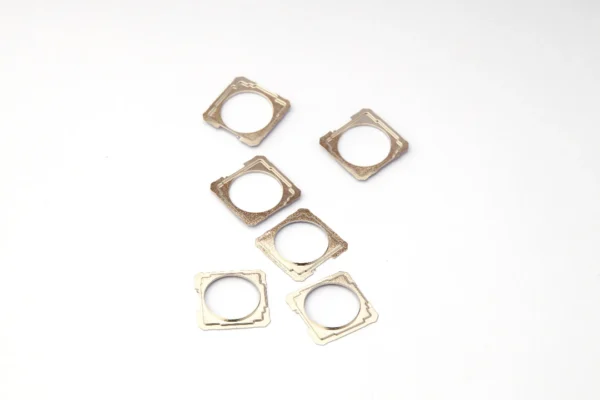
When your project needs millions of identical, tight-tolerance parts—delivered on schedule, at a predictable cost—few processes compete with progressive die stamping. It…
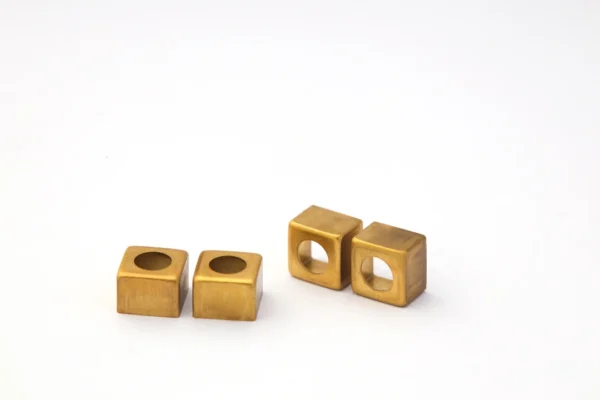
When your program depends on millions of copper components—busbar elements, caps, cups, terminals, shields, housings, or battery current-path parts—you need a forming…
